




Quarterly Climate Impacts and Outlook for the Missouri River Basin for June–August 2024. Dated September 2024.
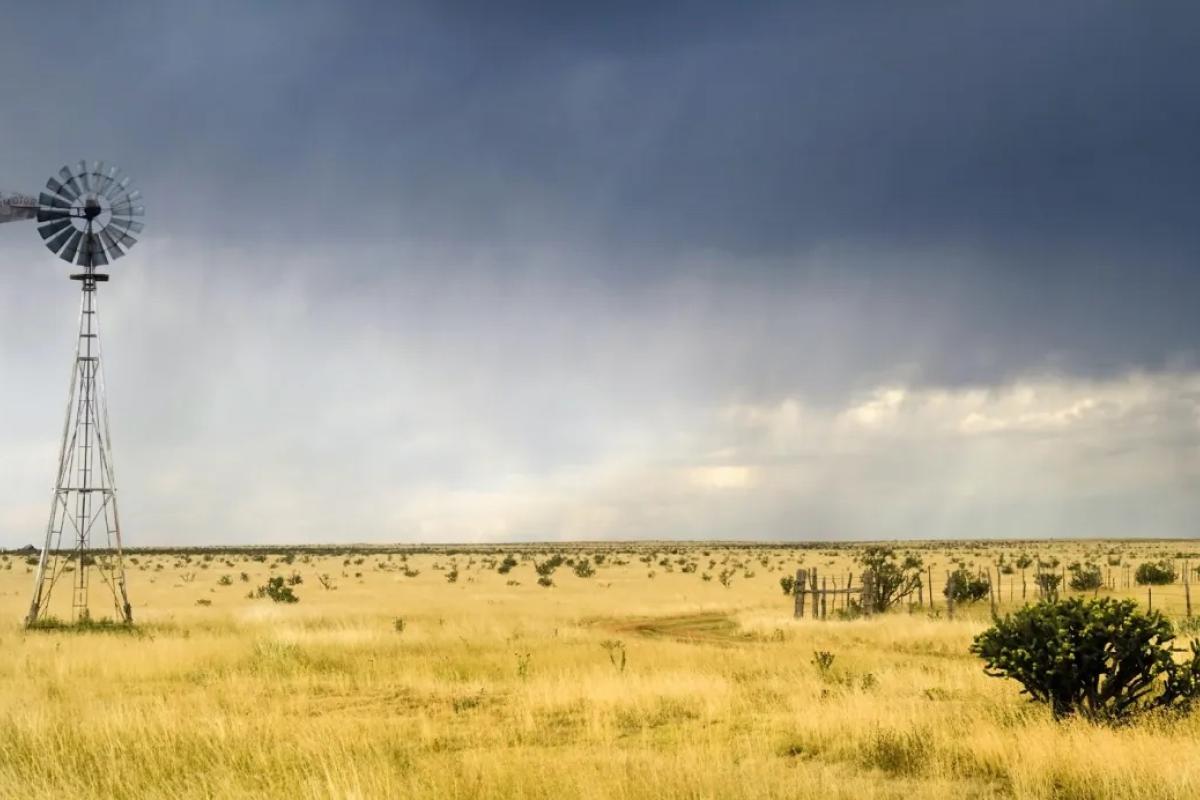
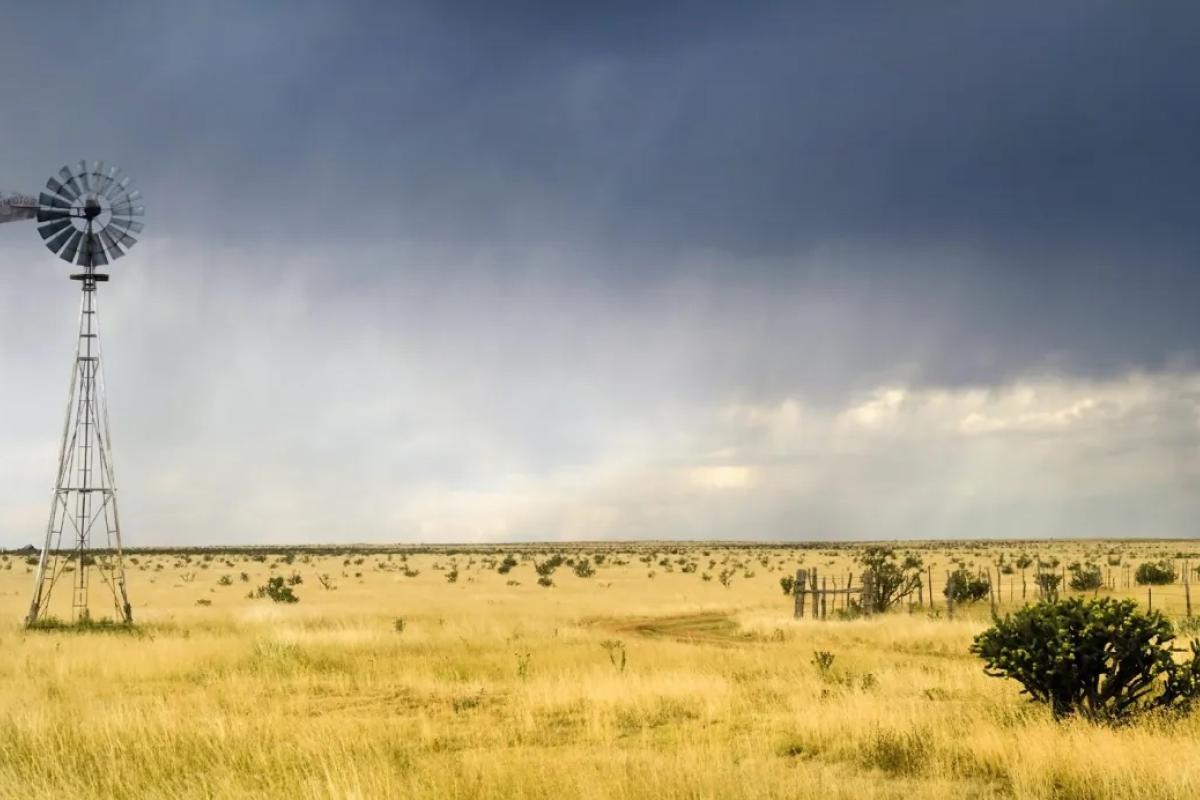
Temperatures were slightly above normal this summer for most of the Basin. Precipitation this summer was mixed, with areas in the northern High Plains missing out on most of the rain.
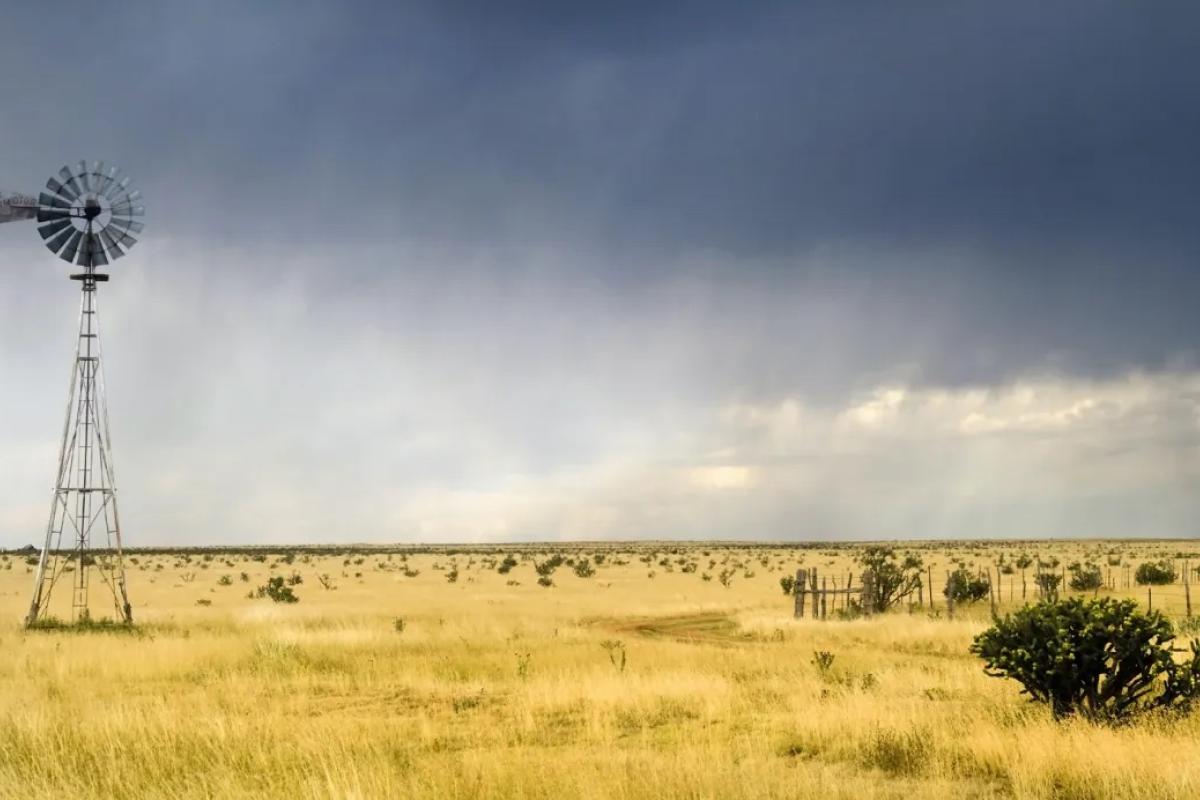

Quarterly Climate Impacts and Outlook for the Missouri River Basin for March–May 2024. Dated June 2024.
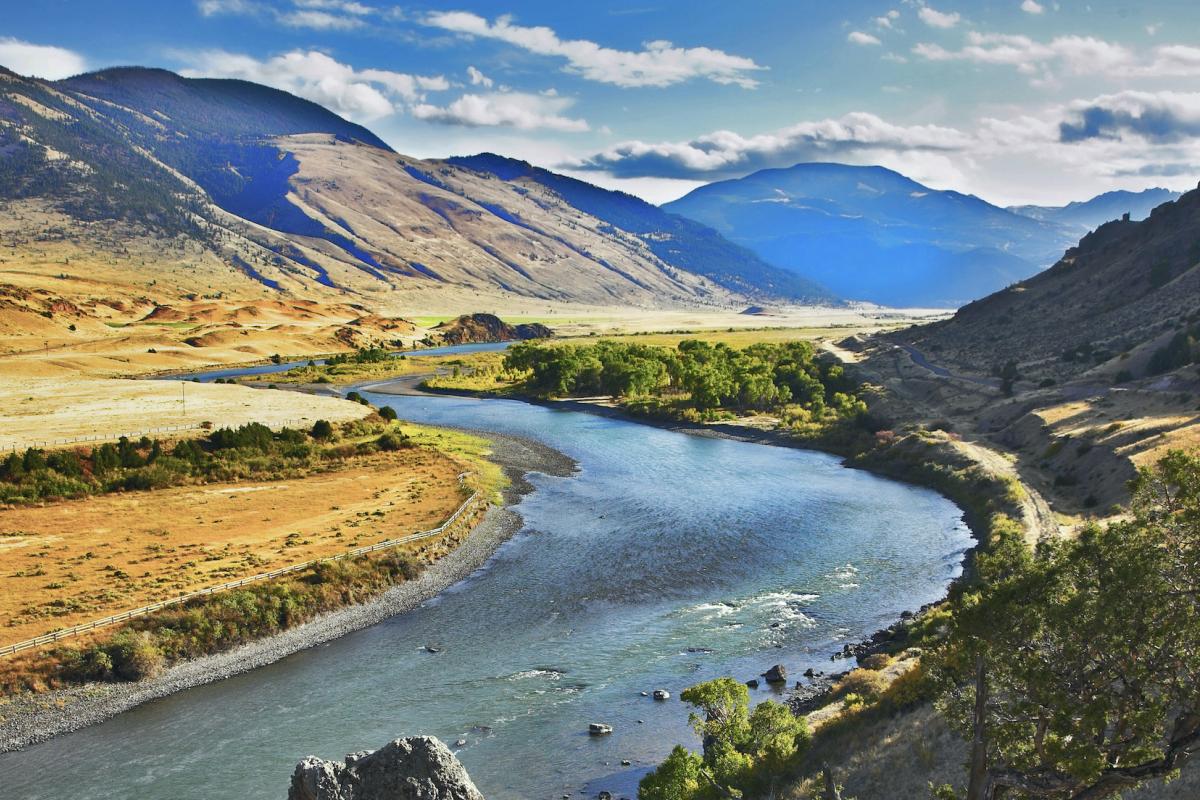
Temperatures this spring were above normal for the majority of the Basin. Typical of springtime, precipitation was scattered across the Basin.

The Workshop for Building Drought Resilience in a Changing Climate with Upper Columbia and Missouri Basin Tribes was convened in September 2023 with an overarching goal of strengthening relationships between Tribal Nations, Tribal Colleges and Universities (TCUs), and their partners across the region.

Quarterly Climate Impacts and Outlook for the Missouri River Basin for December 2023–February 2024. Dated March 2024.
In typical El Niño fashion, temperatures were well above normal for the region. North Dakota recorded its warmest winter on record, while the majority of the region ranked in the top 5. Precipitation was above normal for the southern and eastern parts of the basin, while the northwestern portions were below normal.