




Quarterly Climate Impacts and Outlook for the Missouri River Basin March - May 2021. Dated June 2021.
There were stark differences in both temperature and precipitation across the region this spring. Temperatures were, for the most part, near to below normal across much of the west and south, and near to above normal across the east. Meanwhile, heavy precipitation fell across southern areas and little to none fell across the north.
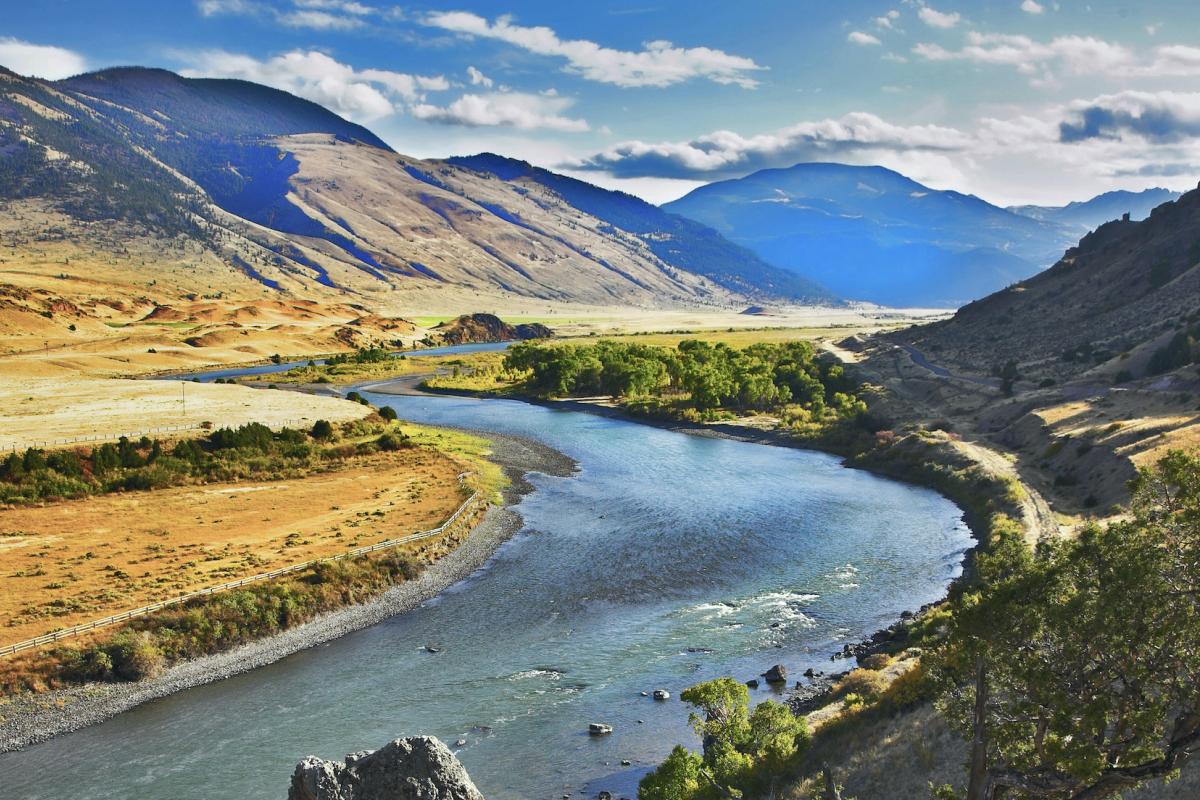

The development of the Southern Plains Drought Early Warning System (DEWS) was initiated in 2011 during a record-setting drought across the southern tier of the United States. From 2010–2015, drought persisted throughout parts of the region, impacting portions of Texas, Oklahoma, and New Mexico. This drought cost several billion dollars and was considered a major disaster for the region. Today, the Southern Plains region continues to face challenges brought about by drought and other extreme weather events that significantly affect communities and local economies.

This report describes the morphology of the 2012 summer U.S. Central Great Plains drought, placing the event into a historical context, and providing a diagnosis of its proximate and underlying causes.
This work was performed as part of the NOAA Drought Task Force I organized by the NOAA Modeling, Analysis, Predictions, and Projections Program (MAPP) in partnership with the National Integrated Drought Information System (NIDIS).

Quarterly Climate Impacts and Outlook for the Missouri River Basin December 2020 – February 2021. Dated March 2021.
Temperatures this winter were extreme on both ends of the spectrum. Several states in the region ranked in the top 10 warmest Decembers and Januarys, while others ranked in the top 10 coldest Februarys. Although much of the region was on the dry side this winter, only North Dakota ranked in the top 10 at 3rd driest.

The National Weather Service developed 2021 Spring Hazard Outlooks in coordination with the National Centers for Environmental Information, National Integrated Drought Information System (NIDIS), U.S. Department of Agriculture, National Weather Service River Forecast Centers, and National Interagency Fire Centers' Geographic Area Coordination Centers. This outlook highlights the various Spring hazards that could occur and potential impacts across the Missouri River Basin.
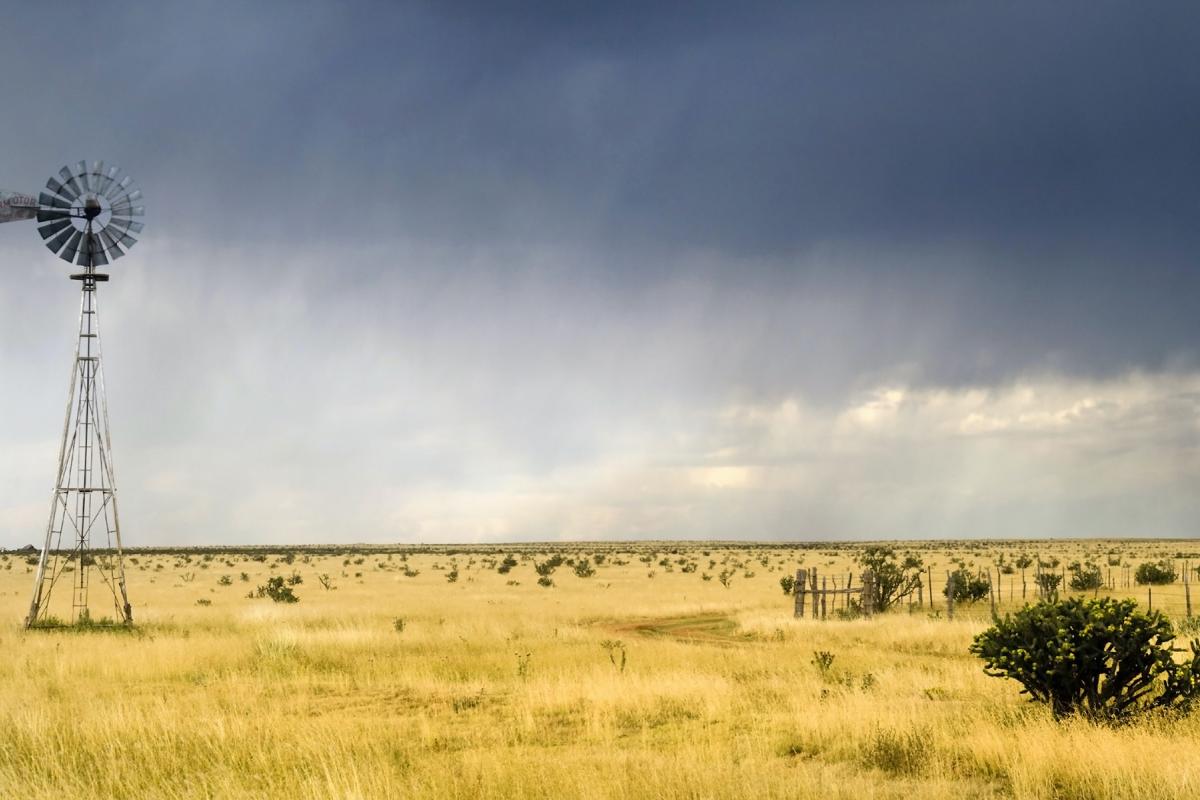

Quarterly Climate Impacts and Outlook for the Missouri River Basin September – November 2020. Dated December 2020.
Autumn 2020 was one of the driest on record for several states, including North Dakota (3rd), Colorado (9th), Nebraska (9th), Kansas (19th), and South Dakota (20th). Although temperatures were, overall, near normal, autumn had many extremes.