





Quarterly Climate Impacts and Outlook for the Gulf of Maine Region for March–May 2025. Dated June 2025.
Spring was up to 2°C (4°F) warmer than normal, ranking among the 10 warmest springs for a few sites like Boston, Massachusetts; Halifax, Nova Scotia; and Summerside, Prince Edward Island. Spring precipitation ranged from 75% of normal to 175% of normal, ranking among the 10 wettest for a few sites.

Quarterly Climate Impacts and Outlook for the Northeast Region for March–May 2025. Dated June 2025.
The Northeast had its 10th warmest spring on record at 2.2°F above normal. It was among the 20 warmest springs for all 12 Northeast states. The Northeast as a whole had its 17th wettest spring with 117% of normal precipitation. It was among the 20 wettest springs for 8 of the 12 Northeast states.

Quarterly Climate Impacts and Outlook for the Gulf of Maine Region for December 2024–February 2025. Dated March 2025.
Winter ranged from 2°C (4°F) colder than normal to 3°C (5°F) warmer than normal. Precipitation for winter ranged from 50% of normal to 175% of normal.

Quarterly Climate Impacts and Outlook for the Northeast Region for December 2024–February 2025. Dated March 2025.
Winter was 1.3°F below normal for the Northeast, in the middle third of all years. It was the region's first colder-than-normal winter since 2018. Winter precipitation in the Northeast was 89% of normal, in the middle third of all years. It was among the 20 driest winters for three states.

Quarterly Climate Impacts and Outlook for the Gulf of Maine Region for September–November 2024. Dated December 2024.
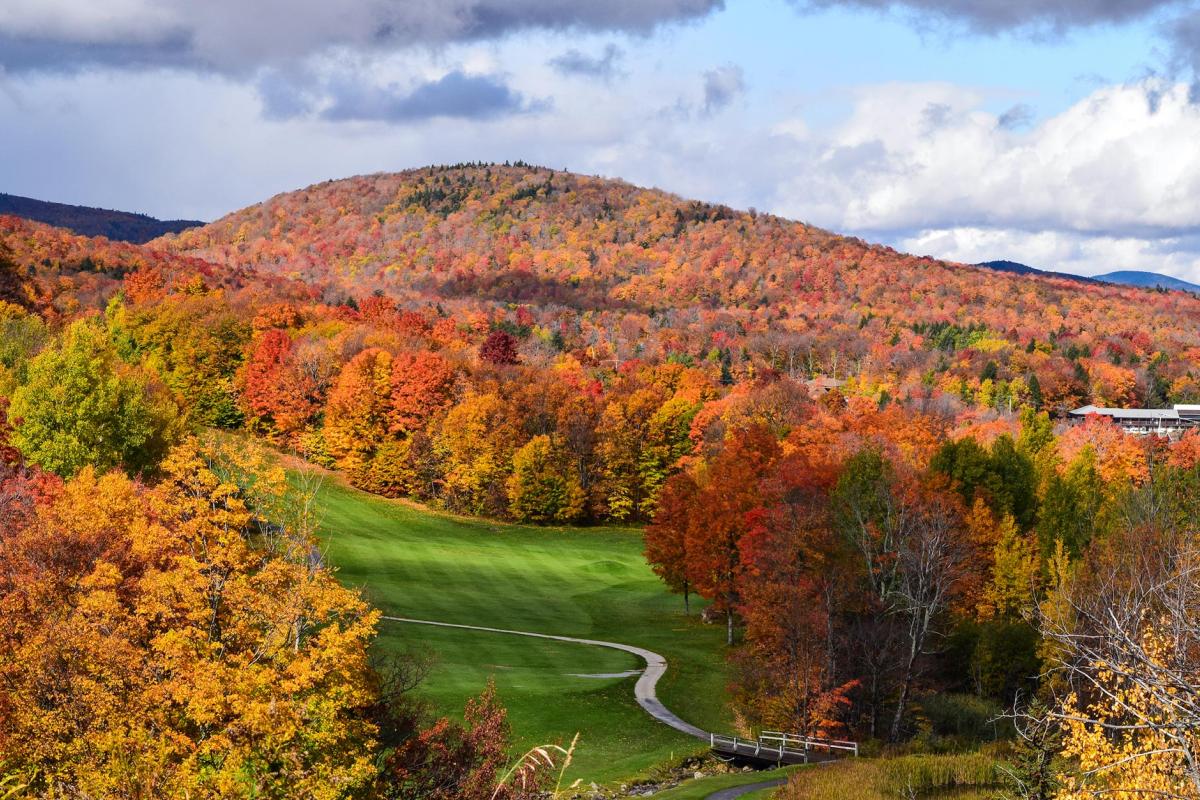
Autumn was up to 4°C (7°F) warmer than normal. This autumn was record warm for Caribou, ME, and Charlo, N.B., and among the 10 warmest for multiple other sites. Precipitation for autumn ranged from 25% of normal to near normal for most areas.

Quarterly Climate Impacts and Outlook for the Northeast Region for September–November 2024. Dated December 2024.
The Northeast had its second-warmest autumn at 2.5°F above normal. It was record warm in Maine and among the 10 warmest for the other 11 states. The Northeast had its sixth-driest autumn with 57% of normal. It was record dry for four states and among the nine driest for seven other states.

This web page provides information on the typical La Niña winter pattern; the La Niña outlook; potential winter and spring impacts; and comparisons of conditions during previous La Niña years for the Northeast region. Updated November 2023.
NOAA’s Regional Climate Services Program created these Outlooks to inform the public about climate impacts within their respective regions. Each regional report contains easy-to-understand language, and anyone can access them through the U.S. Drought Portal.