




Quarterly Climate Impacts and Outlook for the Mid-Atlantic Region for September–November 2024. Dated December 2024.
Average temperatures for the 2024 fall season were 2-4 °F above normal for most of the Mid-Atlantic region. Eastern portions of the region received only 25%–50% of normal precipitation. Only portions of southern and western Virginia and southeastern West Virginia saw above-normal precipitation.

Quarterly Climate Impacts and Outlook for the Great Lakes Region for September–November 2024. Dated December 2024.
Fall temperatures were up to 7 °F (4 °C) warmer than normal. All basins were dry for fall, with the overall basin seeing 70% of average precipitation.

Quarterly Climate Impacts and Outlook for the Northeast Region for September–November 2024. Dated December 2024.
The Northeast had its second-warmest autumn at 2.5°F above normal. It was record warm in Maine and among the 10 warmest for the other 11 states. The Northeast had its sixth-driest autumn with 57% of normal. It was record dry for four states and among the nine driest for seven other states.
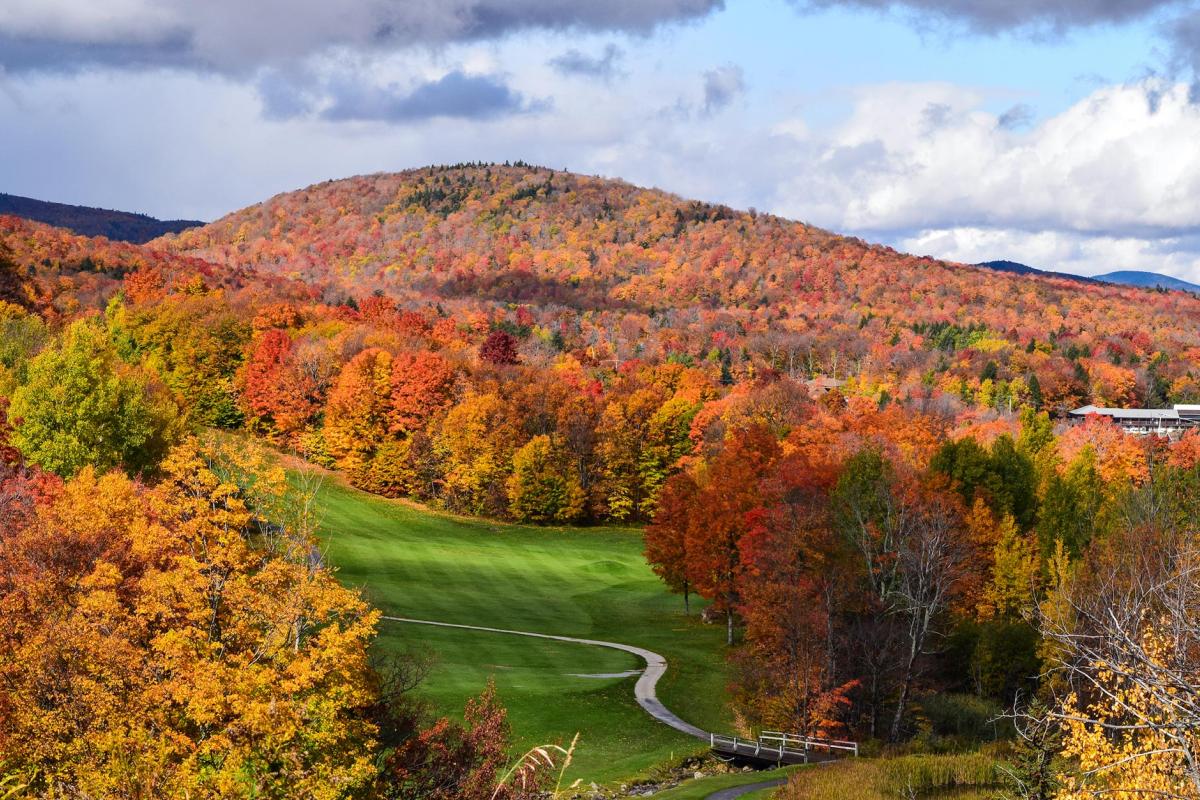

This web page provides information on the typical La Niña winter pattern; the La Niña outlook; potential winter and spring impacts; and comparisons of conditions during previous La Niña years for the Northeast region. Updated November 2023.
NOAA’s Regional Climate Services Program created these Outlooks to inform the public about climate impacts within their respective regions. Each regional report contains easy-to-understand language, and anyone can access them through the U.S. Drought Portal.

This handout provides information on the typical La Niña winter pattern; the La Niña outlook; potential winter and spring impacts; and comparisons of conditions during previous La Niña years for the Great Lakes region. Updated November 2024.
NOAA’s Regional Climate Services Program created these Outlooks to inform the public about climate impacts within their respective regions. Each regional report contains easy-to-understand language, and anyone can access them through the U.S. Drought Portal.