




This report describes the morphology of the 2012 summer U.S. Central Great Plains drought, placing the event into a historical context, and providing a diagnosis of its proximate and underlying causes.
This work was performed as part of the NOAA Drought Task Force I organized by the NOAA Modeling, Analysis, Predictions, and Projections Program (MAPP) in partnership with the National Integrated Drought Information System (NIDIS).
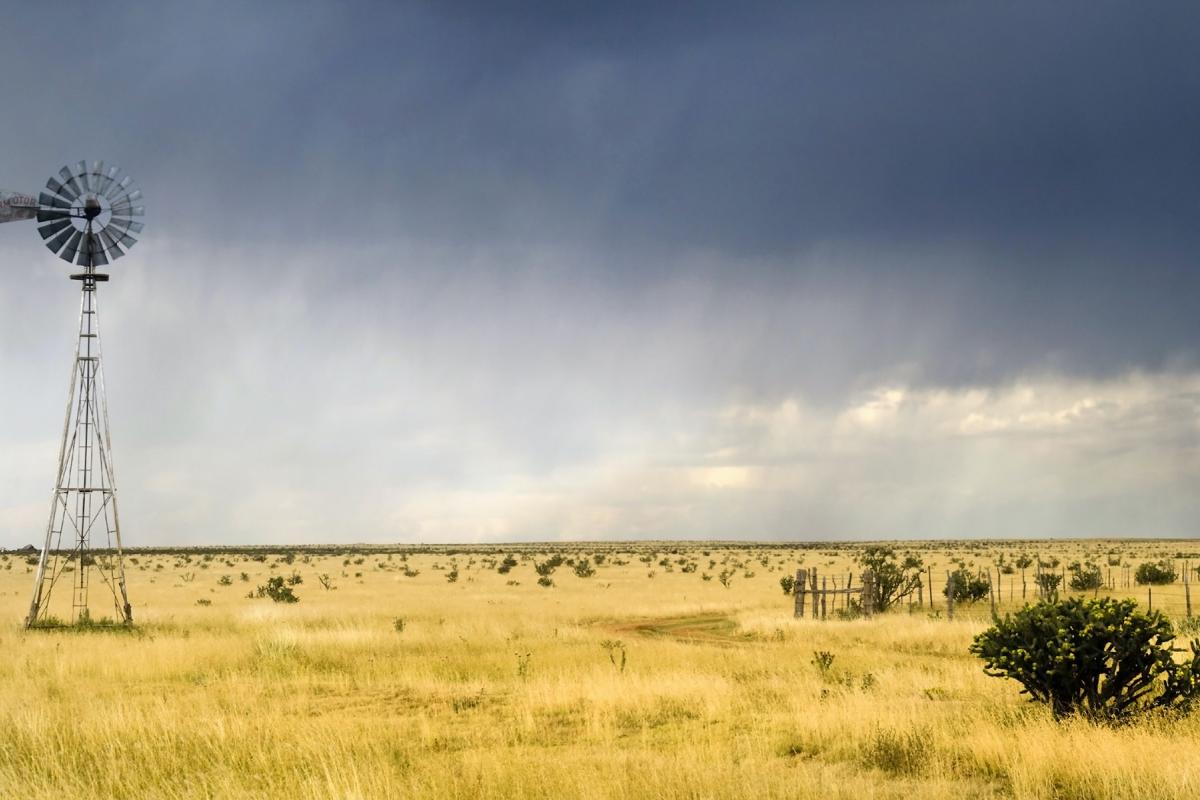

Quarterly Climate Impacts and Outlook for the Southern Region for December 2020 – February 2021. Dated March 2021.
Winter temperatures primarily ranged between 4°F below normal to 1°F above normal across the region. Winter precipitation varied spatially across the Southern Region, but was primarily below normal.
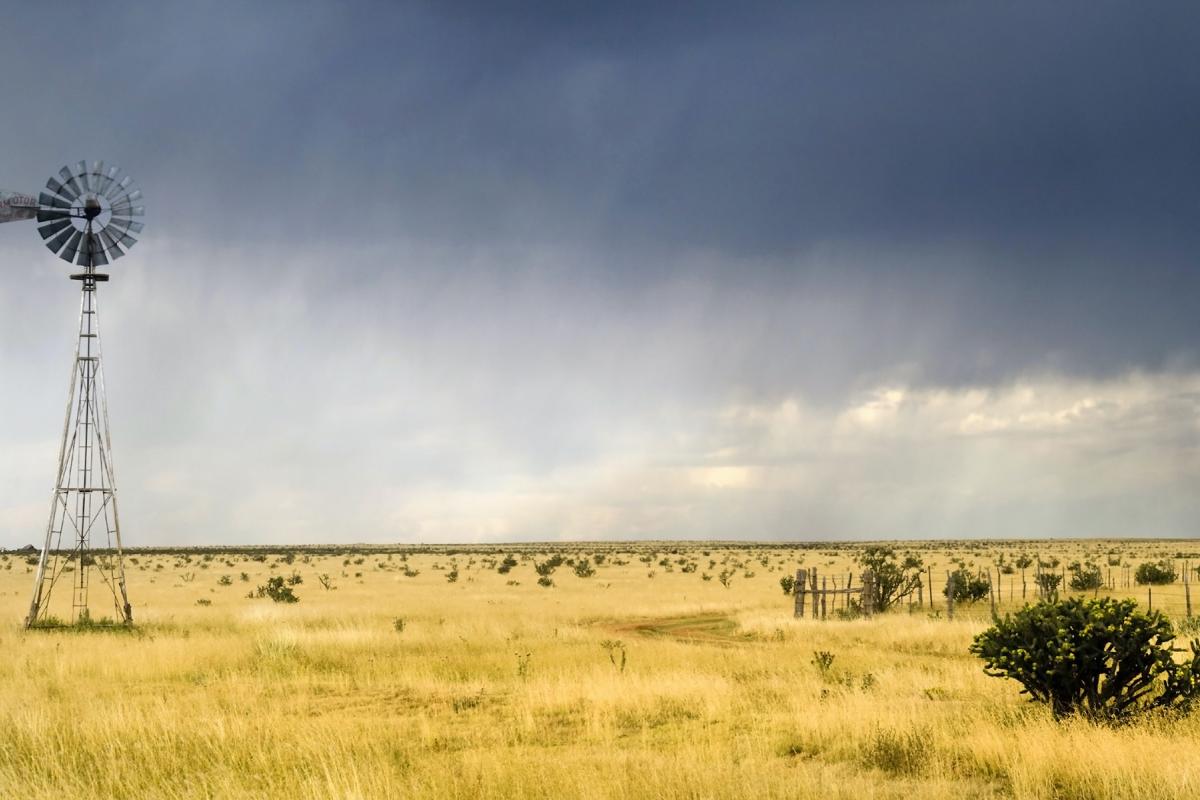

Quarterly Climate Impacts and Outlook for the Southern Region for September – November 2020. Dated December 2020.
Temperatures were below normal across much of the region in September and October, but November temperatures were above normal across the entire region. Precipitation was slightly above normal in September, but widespread areas received below normal precipitation in October and November.

This drought status update was originally sent via email to the Southern Plains DEWS email list.

Fact Sheet Updated November 2021

Quarterly Climate Impacts and Outlook for the Southern Region for June – August 2020. Dated September 2020.
Temperatures hovered between slightly below normal to slightly above normal for much of the region, with the West experiencing above-normal temperatures. Precipitation varied spatially, with normal to above-normal precipitation in the East and Deep South and below-normal precipitation in the West.

Quarterly Climate Impacts and Outlook for the Southern Region for December 2019 – February 2020. Dated March 2020.
Winter temperatures were above normal for much of the region with the west experiencing smaller departures from normal due to a cooler February. Winter precipitation varied spatially across the region with wetter than normal conditions in the north and east and drier than normal conditions in parts of the west and south.

Quarterly Climate Impacts and Outlook for the Southern Region for September – November 2019. Dated December 2019.
Fall temperatures as a whole were near normal, but there were two distinct regimes. Record warmth was experienced from September through early October while the end of October through November were much cooler than normal. Precipitation behaved in a similar fashion, with several stations experiencing their driest September on record followed by their wettest October on record.