

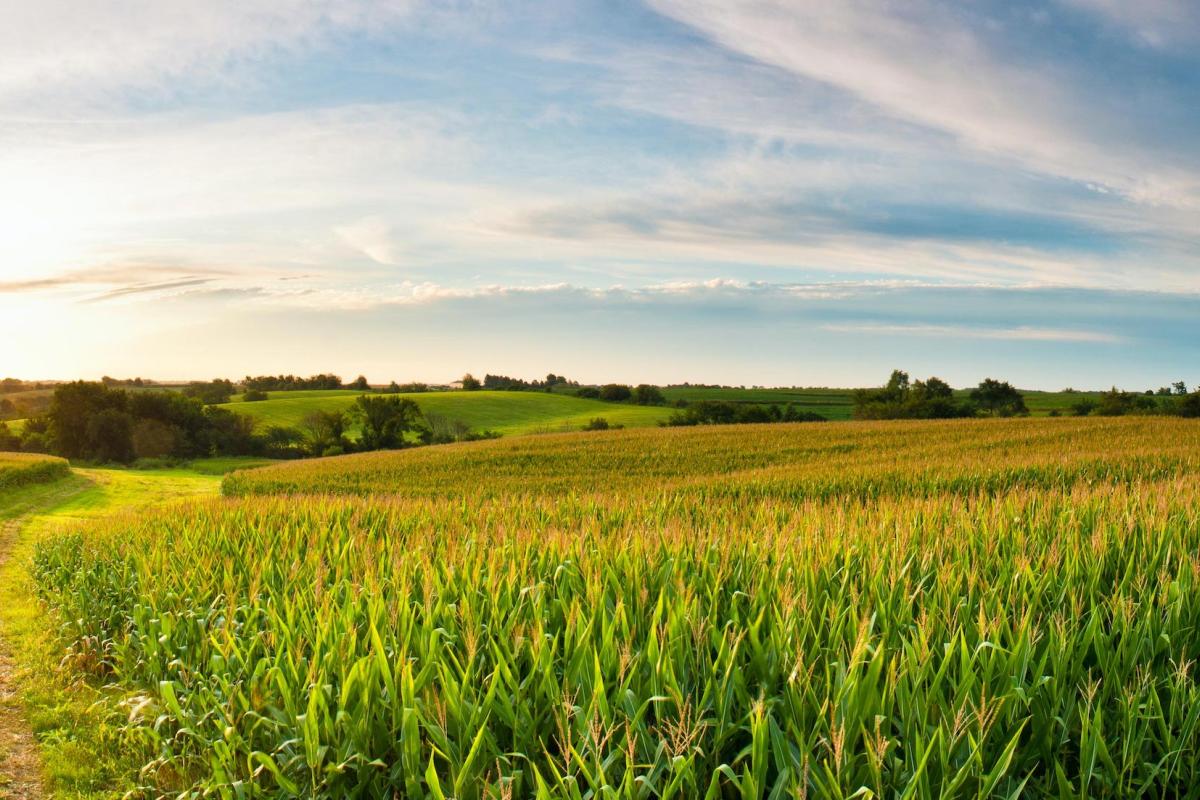
Quarterly Climate Impacts and Outlook for the Midwest Region for September–November 2024. Dated December 2024.
The Midwest had its 3rd warmest fall on record, with average temperatures 2-6 °F above normal across the region. Minnesota and Wisconsin had their warmest fall. Monthly temperatures for the region ranked in the top 10 warmest in September (8th), October (9th), and November (7th). Fall precipitation was wetter than normal in the south and drier than normal in the north, but conditions were quite variable across the season.

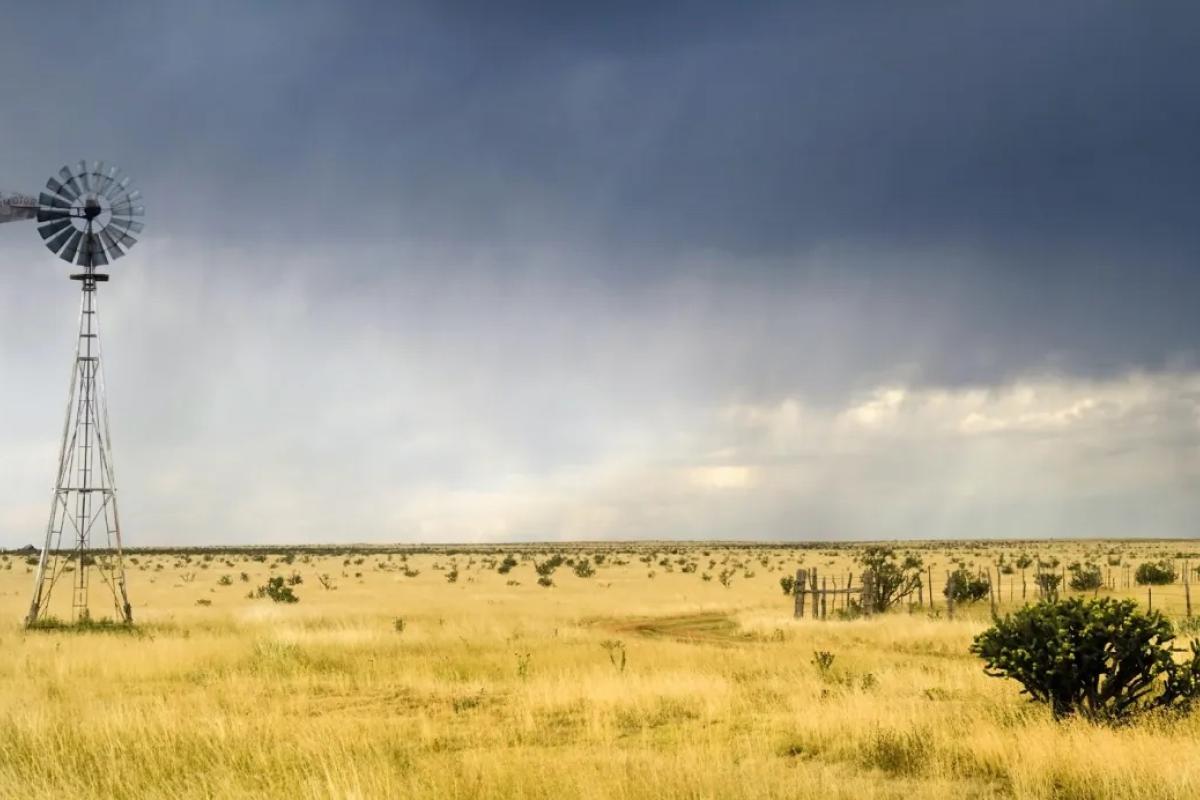
Quarterly Climate Impacts and Outlook for the Missouri River Basin for September–November 2024. Dated December 2024.
This fall was exceptionally hot across the basin, ranking the second warmest on record. Precipitation was well below normal for the Basin except for parts of Kansas.

This handout provides information on the typical La Niña winter pattern; the La Niña outlook; potential winter and spring impacts; and comparisons of conditions during previous La Niña years for the Missouri River Basin. Updated November 2024.
NOAA’s Regional Climate Services Program created these outlooks to inform the public about climate impacts within their respective regions. Each regional report contains easy-to-understand language, and anyone can access them through the U.S. Drought Portal.

This report provides information on the typical La Niña winter pattern; the La Niña outlook; potential impacts; and comparisons of conditions during previous La Niña years for the Midwest U.S. Updated November 2024.
NOAA’s Regional Climate Services Program created these outlooks to inform the public about climate impacts within their respective regions. Each regional report contains easy-to-understand language, and anyone can access them through the U.S. Drought Portal.