





Quarterly Climate Impacts and Outlook for the Southern Region for December 2025–February 2026. Dated March 2026.
Winter temperatures were well above normal across much of the Southern Region, with stations in the western portions of the Region being four to 8 °F above normal. Anomalies decrease towards the east where temperatures were more moderate. Precipitation was well below normal for almost the entire Southern Region.

Quarterly Climate Impacts and Outlook for the Southern Region for September–November 2025. Dated December 2025.
Fall 2025 temperatures were above normal for the entirety of the Southern Region. The western portions of the Region saw the largest departures from normal, with temperatures running four to six degrees F above normal. Precipitation was below normal across most of the Southern Region during fall 2025, with some isolated totals that were well above normal.

Quarterly Climate Impacts and Outlook for the Southern Region for June–August 2025. Dated September 2025.
Summer 2025 temperatures were near normal for the western portions of the Southern Region, while temperatures in the eastern half of the Region were above normal. Summer 2025 saw below average rainfall in the eastern portions of the Region and along the upper Texas coast. Precipitation was well above normal for Central Texas, much of North Texas, northern Oklahoma, Western Arkansas, and Far West Texas.
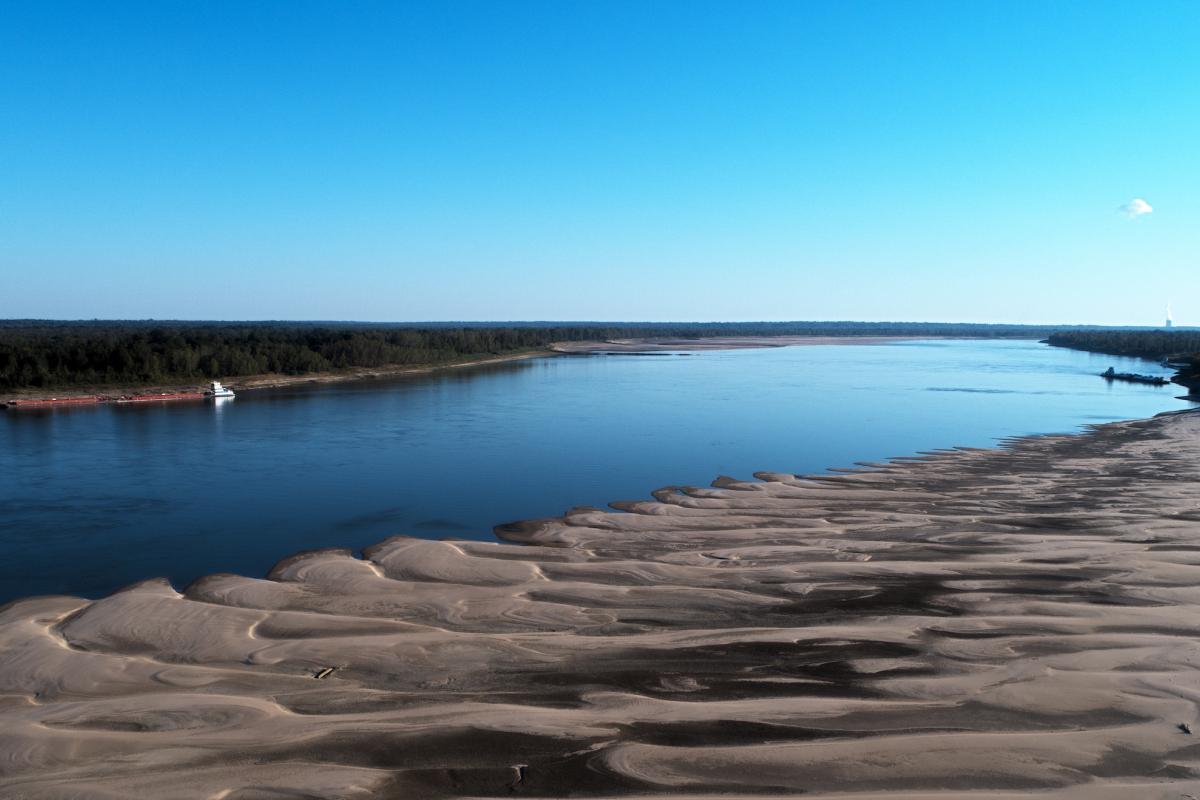

Given the broad interest and need to better understand and plan for ecological drought in the Southeast, the U.S. Geological Survey's Southeast Climate Adaptation Science Center and the National Oceanic and Atmospheric Administration's National Integrated Drought Information System (NIDIS), in support of the Southeast Drought Early Warning System, convened a 2-day workshop in January 2025. This workshop brought together scientists and managers from diverse fields, to address drought and low-flow in the Southeast and its impacts to aquatic systems across the region.

Quarterly Climate Impacts and Outlook for the Southern Region for March–May 2025. Dated June 2025.
Spring temperatures were above normal for the entirety of the Southern Region, with most stations running 1°F to 4°F above normal. Most of the Southern Region experienced above-normal precipitation for spring. Stations across much of Oklahoma, Mississippi, Arkansas, Louisiana, Tennessee, North Texas, Deep South Texas, and the Texas Panhandle received 110% to 300% of normal precipitation.

Quarterly Climate Impacts and Outlook for the Southern Region for December 2024–February 2025. Dated March 2025.
Winter 2024-2025 temperatures were near normal for much of the Southern Region, with most stations running 2°F below normal to 2°F above normal. Precipitation was well below normal in the western portions of the region, with 41 counties in Texas and 8 in Oklahoma observing one of their five driest winters on record.

Quarterly Climate Impacts and Outlook for the Southern Region for September–November 2024. Dated December 2024.
Fall temperatures were above normal for the entirety of the Southern Region, with most stations in the Region running 2 °F to 6 °F above normal. Precipitation was mixed across the region during the fall.

Despite the water-rich nature of the southeastern U.S., extended and intense dry periods intermittently occur across the region leading to reduced soil moisture levels and surface water supplies. These drought periods affect the landscape at different scales, with agriculture experiencing impacts earlier than other sectors