




This basin master water control manual describes the overall water control plan for the Alabama-Coosa-Tallapoosa (ACT) River Basin. Descriptions of the basin, history of development, water control activities, and coordination with others are provided as supplemental information to enhance the knowledge and understanding of the basin water control plan. This manual provides a general reference source for ACT water control regulation. It is intended for use in day-to-day, real-time water management decision making and for training new personnel.

Quarterly Climate Impacts and Outlook for the Southeast Region for December 2021 - February 2022. Dated March 2022.
Winter temperatures across the region were topsy-turvy, with December and February much above average and January slightly below average. Precipitation was below average for much of the region this winter. However, San Juan, PR observed its wettest February on record at 11.7 inches of precipitation, more than 9 inches above normal.

Quarterly Climate Impacts and Outlook for the Southeast Region for September - November 2021. Dated December 2021.
Above-average temperatures were recorded over Virginia, North Carolina, and Puerto Rico, with near-average temperatures reported over the rest of the Southeast. Precipitation varied greatly across much of the Southeast for the autumn.
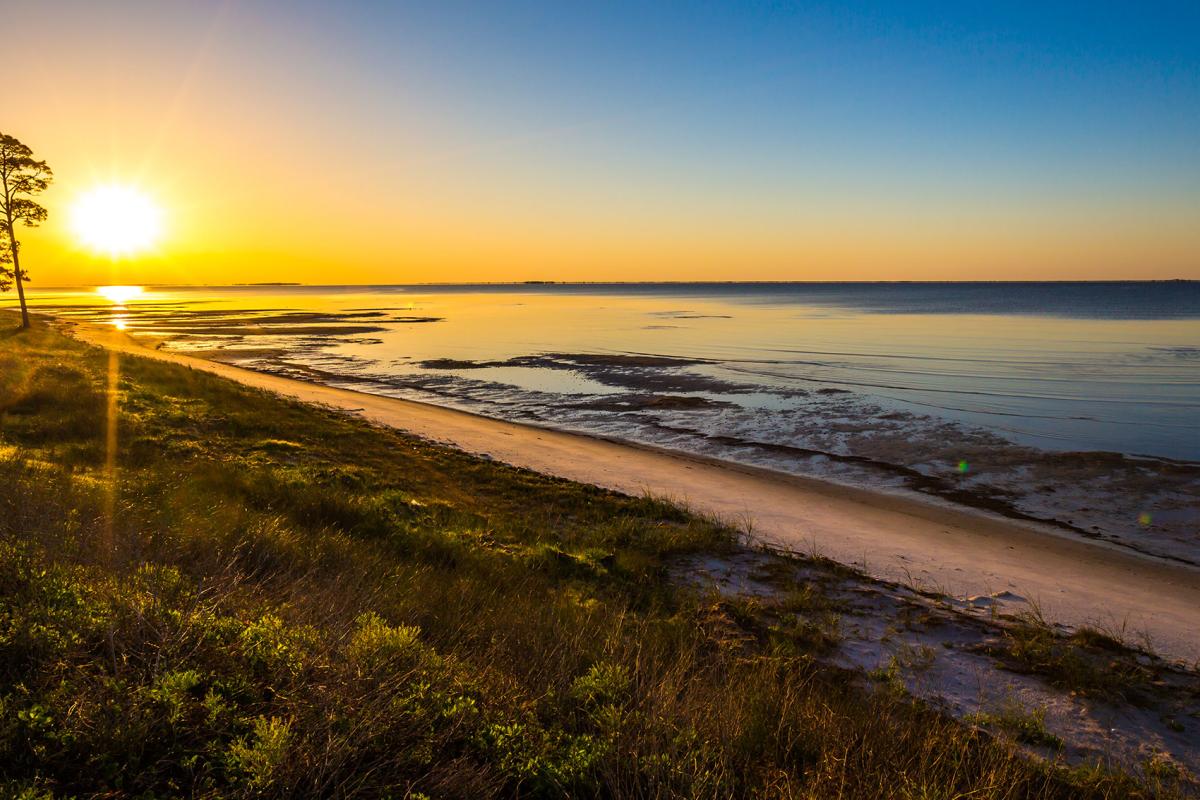
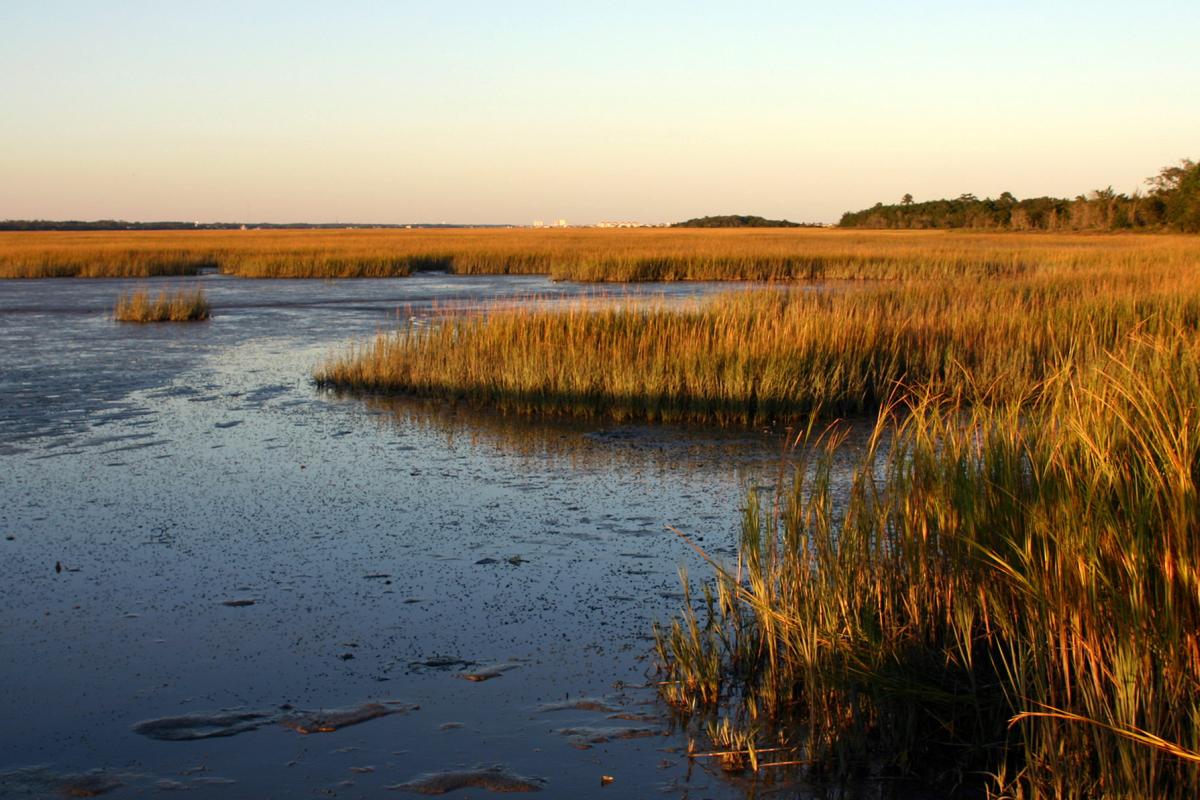

Quarterly Climate Impacts and Outlook for the Southeast Region for June - August 2021. Dated September 2021.
There were few extremes in summer temperatures across the region. Precipitation varied greatly across much of the Southeast for the summer.
NOAA’s Regional Climate Services Program created these Climate Outlooks to inform the public about recent climate impacts within their respective regions. Each regional report contains easy-to-understand language, and anyone can access them through the Drought Portal.

The Georgia Water Conservation Implementation Plan (WCIP) provides guidance to help Georgia’s seven major water use sectors effectively implement water conservation statewide. The major water use sectors include: agricultural irrigation; electric generation; golf courses; industrial and commercial; landscape irrigation; domestic and non-industrial public uses; and state agencies. Each sector-specific chapter of the WCIP details water conservation goals, benchmarks, best practices, and implementation actions designed to reduce water waste, water loss, and where necessary, water use.

It is U.S. Army Corps of Engineers policy that water control plans be continually reviewed, updated, and adjusted as needed to ensure that the best use is made of available water resources. This March 2017 revision to the basin master water control manual describes the systemwide water control plan for the Apalachicola-Chattahoochee-Flint (ACF) River Basin. This manual provides a general reference source for ACF water control regulation. It is intended for use in day-to-day, real-time water management decision-making and for training new personnel.