





The purpose of the 2022–2026 Northeast Drought Early Warning System (DEWS) Strategic Action Plan is to document regionally identified needs and offer a guide for future activities that will improve drought early warning and preparedness in the Northeast DEWS. Partners from across New England and New York attended virtual listening sessions in October and November of 2020 to discuss the progress made and identify next steps.

Quarterly Climate Impacts and Outlook for the Gulf of Maine Region for December 2021 - February 2022. Dated March 2022.
Winter ranged from 1°C (2°F) below normal in parts of Maine to 3°C (5°F) above normal in Cape Breton, N.S. Warm winter temperatures are a concern for Nova Scotia's Christmas tree industry. Winter precipitation ranged from 75% of normal to 175% of normal.

Quarterly Climate Impacts and Outlook for the Northeast Region for December 2021 - February 2022. Dated March 2022.
The Northeast's winter average temperature was 0.7°F above normal, ranking in the warmest third of all years. Six states had one of their 20 warmest winters. The Northeast saw 88% of normal winter precipitation, ranking in the middle third of all years. This winter was among the 20 driest for four states.

Quarterly Climate Impacts and Outlook for the Gulf of Maine Region for September - November 2021. Dated December 2021.
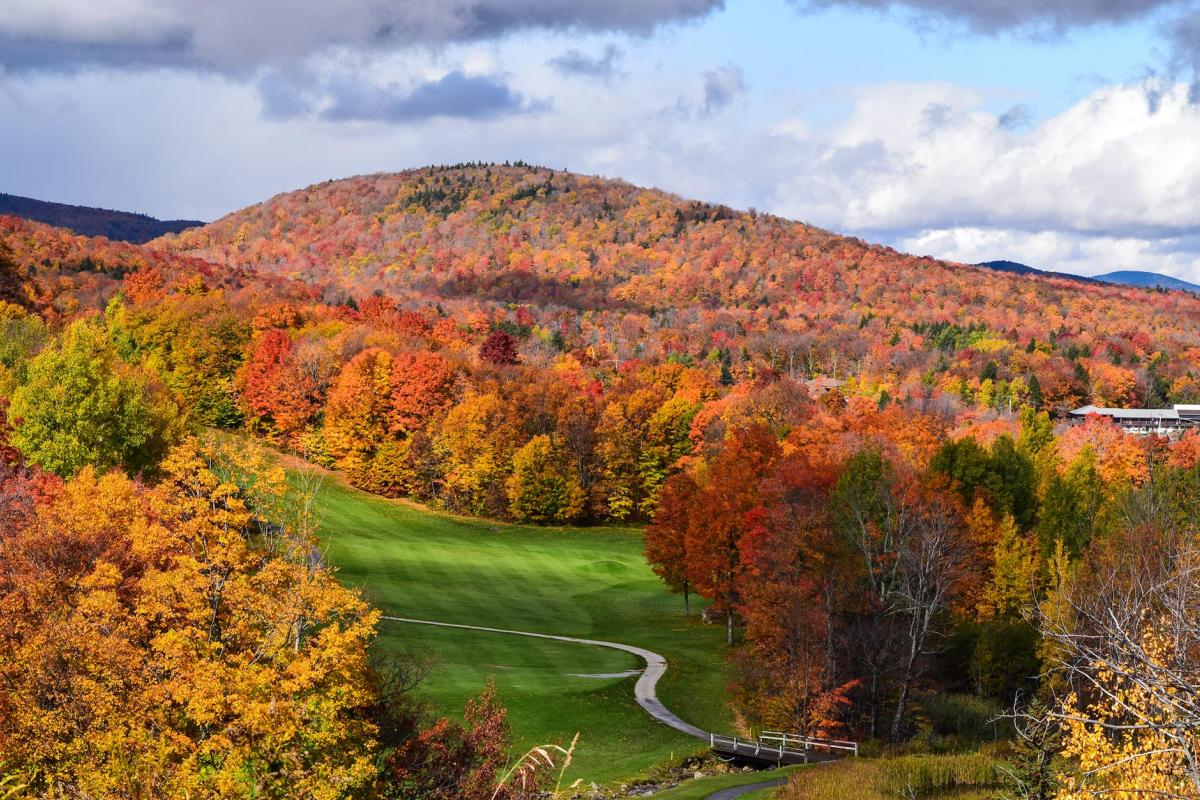
Autumn was as much as 3°C (5°F) warmer than normal. This autumn was among the three warmest on record for a few New England sites. Autumn precipitation ranged from 50% of normal to 175% of normal.

Quarterly Climate Impacts and Outlook for the Northeast Region for September - November 2021. Dated December 2021.
The Northeast had its third-warmest autumn at 2.4°F above normal. It was record warm for Maine and among the 16 warmest for the other 11 Northeast states. The Northeast saw 110% of normal autumn precipitation, in the wettest third of all years. It was among the 20 wettest for four states.