

U.S. flag

An official website of the United States government

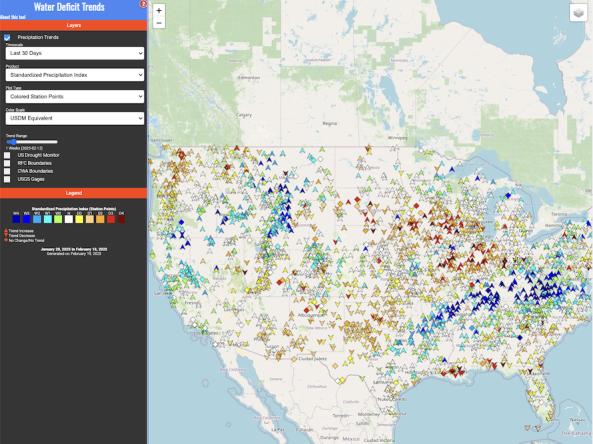
The High Plains Regional Climate Center’s Water Deficit Trends tool provides information on long-term changes in precipitation across the country.

Published on

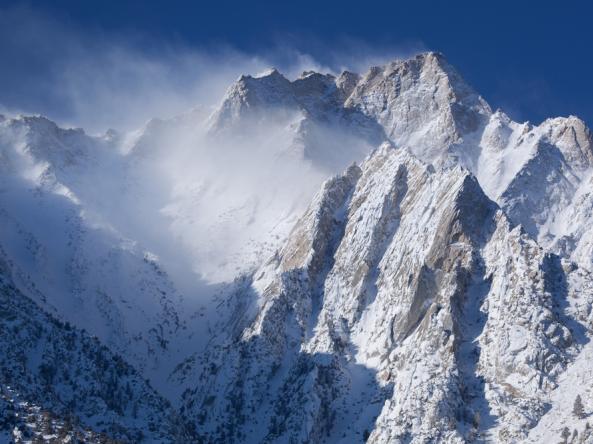
Weather forecasts struggle to predict how much snow will stick around, or how quickly it will melt away. Scientists, supported by the National Integrated Drought Information System (NIDIS) are addressing this challenge by improving how climate models simulate snow, a crucial step to better predict droughts and water availability in the Western U.S. 

Published on

Next week, the American Meteorological Society (AMS) is hosting its 105th annual meeting in New Orleans, Louisiana.This year, the meeting will focus on the theme, "Towards a Thriving Planet: Charting the Course Across Scales." NOAA’s National Integrated Drought Information System (NIDIS) is excited to co-chair two sessions during this year’s meeting: Advancements in Analysis and Prediction of Drought and Advances in Communicating the Risk of Drought and Cascading Hazards. 

Published on

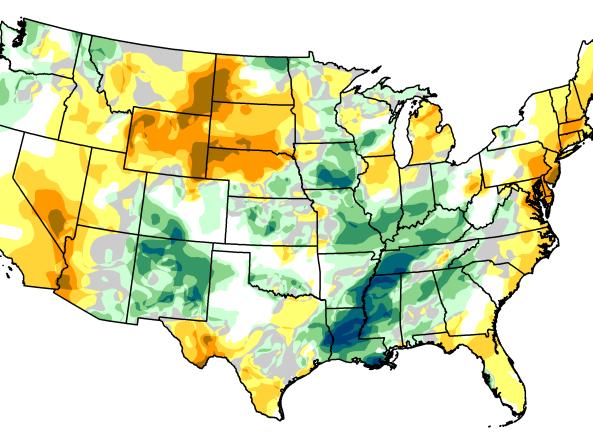
After a warm, dry October, drought reached a nationwide record this year. Ohio and West Virginia saw their most area in Extreme and Exceptional Drought (D3-D4) since the U.S. Drought Monitor began in 2000. Far West Texas, southern New Mexico, and the Northern Rockies remained in persistent drought throughout the year. Meanwhile, areas of the West in long-term drought, including parts of the Southwest, saw some improvement in spring. 

Event Date
December 2, 2024

The December Drought & Climate Outlook Webinar provided climate and drought updates and outlook as well as relevant tools and sources to monitor winter conditions in the region.

Event Date
June 3, 2025
1:00 pm - 2:00 pm
Location
Virtual

Join the Southwest Drought and Wildfire Summer Outlook Webinar to get an update on the drought and outlook, as well as a look at the upcoming monsoon and wildland fire season.
Published on

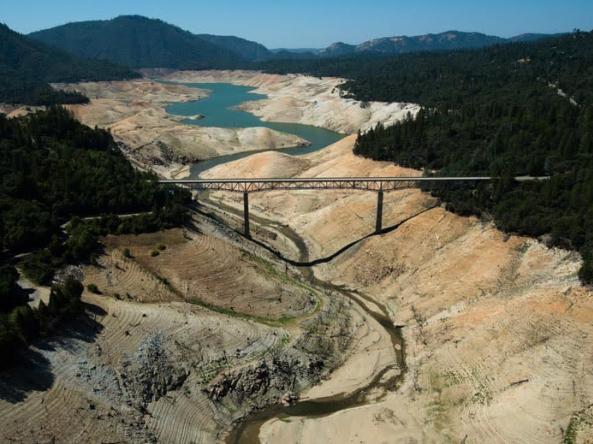
Higher temperatures caused by anthropogenic climate change made an ordinary drought into an exceptional drought that parched the American West from 2020-2022, according to a new study by scientists from the University of California, Los Angeles (UCLA), NOAA’s National Integrated Drought Information System (NIDIS), and the Cooperative Institute for Research in Environmental Sciences.  

Event Date
October 22, 2024

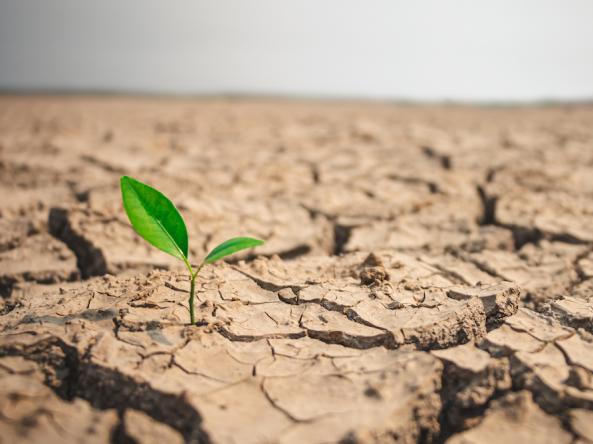
Drought developed or worsened across Oklahoma over the summer. In September, Extreme Drought (D3) expanded over southwest Oklahoma, northwest Texas, and southern Kansas. NOAA’s Climate Prediction Center’s seasonal outlooks predict increased chances for warmer- and drier-than-normal conditions through the end of the year across the Southern Plains and into adjacent states. In fact, parts of eastern Texas that experienced flooding in early summer are now experiencing Moderate Drought (D1), which is likely to worsen in the coming months.
Event Date
September 27, 2024

This special drought webinar provided drought information and resources for West Virginia and Ohio, as well as surrounding states in the Midwest and Mid-Atlantic. Topics included the history and evolution of the ongoing drought; current conditions and outlooks for Fall 2024; wildfire risk updates; and ecological impacts as well as impacts across sectors from agriculture to water supply to public health. 

Event Date
September 23, 2024

The September Drought & Climate Outlook Webinar provided a climate and drought update, including current fire outlooks and new research on western U.S. cool season precipitation.

Subscribe to Precipitation