




The National Integrated Drought Information System (NIDIS) is pleased to share our 2020 Annual Report to provide insight into the many accomplishments of the program over the previous year and the opportunities that lie ahead. The year 2020 was exceptionally difficult for people worldwide, as the COVID-19 pandemic ravaged the globe and altered almost every facet of daily life. Not only was 2020 a significant drought year for the United States, it also brought record-breaking heat and devastating wildfires.

Quarterly Climate Impacts and Outlook for the Mid-Atlantic Region for June - August 2021. Dated September 2021.
The majority of the Mid-Atlantic experienced temperatures 1-2 degrees Fahrenheit (F) above normal and some sites had among one of their warmest summers on record. The Mid-Atlantic saw generally above normal precipitation, notably in southern New York and northern Pennsylvania, while some areas in Maryland, Virginia, and the panhandle of West Virginia experienced below normal precipitation.

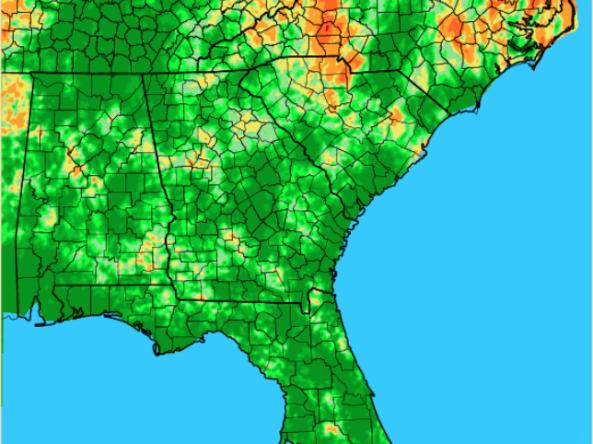
Quarterly Climate Impacts and Outlook for the Southeast Region for June - August 2021. Dated September 2021.
There were few extremes in summer temperatures across the region. Precipitation varied greatly across much of the Southeast for the summer.
NOAA’s Regional Climate Services Program created these Climate Outlooks to inform the public about recent climate impacts within their respective regions. Each regional report contains easy-to-understand language, and anyone can access them through the Drought Portal.

The purpose of this Northwest Florida Water Management District Water Supply Assessment update is to determine, “Whether existing and reasonably anticipated sources of water and conservation efforts are adequate to supply water for all existing legal uses and reasonably anticipated future needs and to sustain the water resources and related natural systems.” Learn more and view past water supply assessment updates on the Northwest Florida Water Management District website.

The Georgia Water Conservation Implementation Plan (WCIP) provides guidance to help Georgia’s seven major water use sectors effectively implement water conservation statewide. The major water use sectors include: agricultural irrigation; electric generation; golf courses; industrial and commercial; landscape irrigation; domestic and non-industrial public uses; and state agencies. Each sector-specific chapter of the WCIP details water conservation goals, benchmarks, best practices, and implementation actions designed to reduce water waste, water loss, and where necessary, water use.

The purpose of the Alabama Drought Management Plan is to provide information and procedural details associated with Alabama’s drought planning and response activities. The 2018 revision of the Plan is now fully in accordance with the Alabama Drought Planning and Response Act and the subsequent regulations promulgated in support of that Act.