
The National Weather Service Central Region developed 2021 Summer Hazard Outlooks in coordination with the NOAA National Centers for Environmental Information, National Integrated Drought Information System (NIDIS), and National Water Center; U.S. Department of Agriculture; National Weather Service River Forecast Centers; and National Interagency Fire Centers' Geographic Area Coordination Centers. This outlook highlights the various Summer hazards that could occur and potential impacts across the Western U.S.

Quarterly Climate Impacts and Outlook for the Western Region for March - May 2021. Dated June 2021.
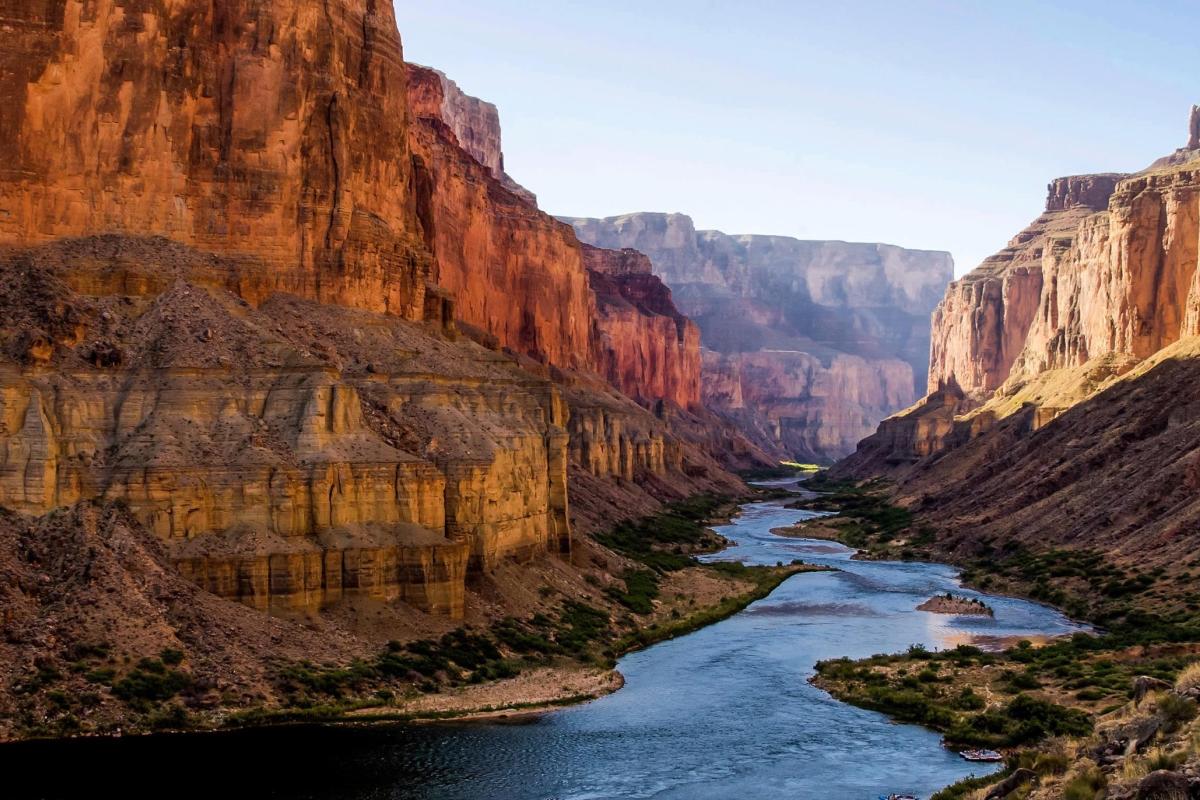

As of May 18, 2021, 93% of the Southwest and California was in drought, with 38% of this region in Exceptional (D4) Drought, the highest level. Twelve months prior, most of the West was drought-free, but drought conditions began developing around May 2020. High temperatures and very low rainfall totals through spring and summer of 2020 set new records across the Southwest, and the combination of extremely low soil moisture leading into winter and snow drought through winter means that run-off in the spring of 2021 has been very low.

In this EOS opinion article, NOAA Modeling, Analysis, Predictions, and Projections (MAPP) Program Drought Task Force leaders working with the National Integrated Drought Information System (NIDIS) describe the disastrous impacts of droughts, heat waves, and fires in the United States and the world. They also discuss new MAPP- and NIDIS-funded research that is tackling the challenges of a drier, hotter, more fire-prone future.

The 2017–2018 Intermountain West (IMW) Drought Early Warning System (DEWS) Strategic Plan outlines priority tasks and activities across the region to build drought early warning capacity and resilience. It includes a list of current partners, outcomes, and key milestones. This Plan is a “living document” to which additional actions and partners may be added as needed.