



NOAA's National Integrated Drought Information System (NIDIS), the Desert Research Institute (DRI), and the Cooperative Institute for Research in Environmental Sciences at the University of Colorado Boulder (CIRES), in cooperation with the Northeast Region Climate Center (NRCC), are pleased to announce two upcoming webinars in September. In this webinar, the team will share their Drought Monitoring Toolbox for the Northeast.
NOAA's National Integrated Drought Information System (NIDIS), the Desert Research Institute (DRI), and the Cooperative Institute for Research in Environmental Sciences at the University of Colorado Boulder (CIRES), in cooperation with the Northeast Region Climate Center (NRCC), are pleased to announce two upcoming webinars in September. In the first webinar, researchers from DRI and CIRES will share project findings on drought indices and indicators that support the monitoring and management of different drought types in the northeast United States.
Droughts are often categorized as "flash" droughts when they develop or intensify in a matter of weeks (though defining flash droughts continues to be an area of active debate). NIDIS and the National Weather Service hosted three flash drought webinars in 2021 to help climate professionals and operational service providers better understand this phenomenon, its defining characteristics and how it varies by region and season, its impacts on agricultural and other stakeholders, and the potential for improved monitoring, prediction, and planning/response tools (datasets, maps, etc.). Presentations for this webinar focused on emerging tools for flash drought monitoring and prediction from NOAA and other institutions.
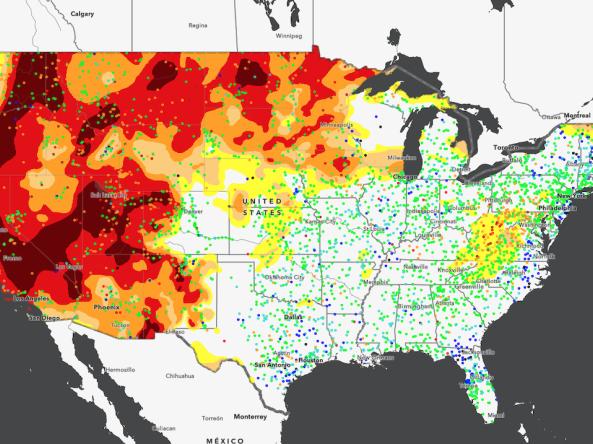
To provide the latest information on drought conditions across the West, NIDIS is joining with our federal, state, tribal, and local partners to host a drought webinar specifically for western communities. The webinar will include an update on the current drought situation and outlook, an overview of wildland fire conditions and outlook, and will feature perspectives from those on the ground who are responding to worsening drought conditions. Key discussions will include a summary of past and current conditions in terms of many climate variables like snowpack, temperatures, precipitation, soil moisture, etc.; as well as potential and ongoing impacts from drought across sectors (e.g., agriculture, water resources, recreation, etc.).
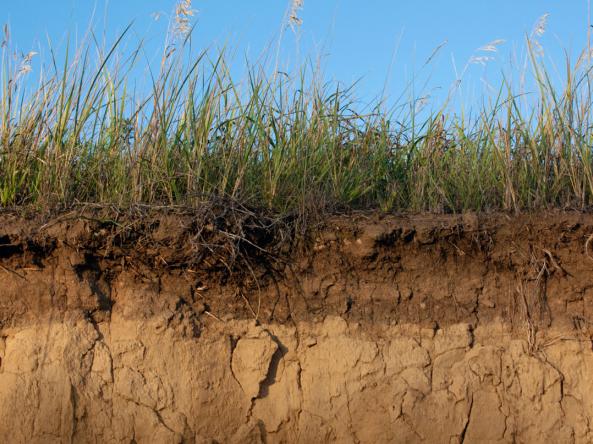
Do you want to share your opinions on which soil moisture datasets, maps, and tools are needed to better inform drought, flood, or other natural resource issues? In July, the National Coordinated Soil Moisture Monitoring Network is hosting two listening sessions for soil moisture end users to share their thoughts, wish lists, and out-of-the-box ideas about what types of soil moisture products would best serve them. Participants can choose from two identical listening sessions: July 13 or July 22, from 1-3 p.m. EDT.
Do you want to share your opinions on which soil moisture datasets, maps, and tools are needed to better inform drought, flood, or other natural resource issues? The National Coordinated Soil Moisture Monitoring Network is hosting two listening sessions for soil moisture end users to share their thoughts, wish lists, and out-of-the-box ideas about what types of soil moisture products would best serve them. Participants can choose from two identical listening sessions: July 13 or July 22, from 1-3 p.m. EDT.
This webinar showcased presentations and discussion by NIDIS staff on key takeaways from the December 2020 Flash Drought Virtual Workshop, with an emphasis on priority activities to advance flash drought monitoring, prediction, and planning/response.
This webinar will showcase the "state of the science" on flash drought, based on recorded presentations from the December 2020 NIDIS-sponsored Flash Drought Virtual Workshop, followed by a live Q&A with the presenters.