An official website of the United States government
Here’s how you know
The .gov means it’s official.
Federal government websites often end in .gov or .mil. Before sharing sensitive information, make sure you’re on a federal government site.
The site is secure.
The
https://
ensures that you are connecting to the official website and that any information you provide is encrypted and transmitted securely.

The U.S. Drought Portal is currently experiencing loading issues. We apologize for the inconvenience and hope to resolve this issue as soon as possible.
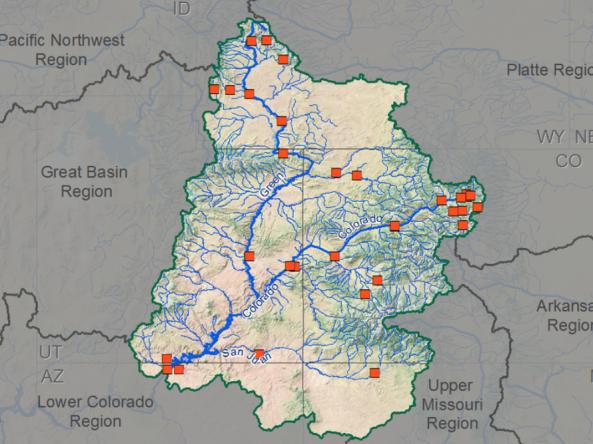
Selected research papers, reports, and other resources which show the current state-of-knowledge and the progress in our understanding of the variability of climate and hydrology in the Colorado River Basin and the potential impacts of future climate change.
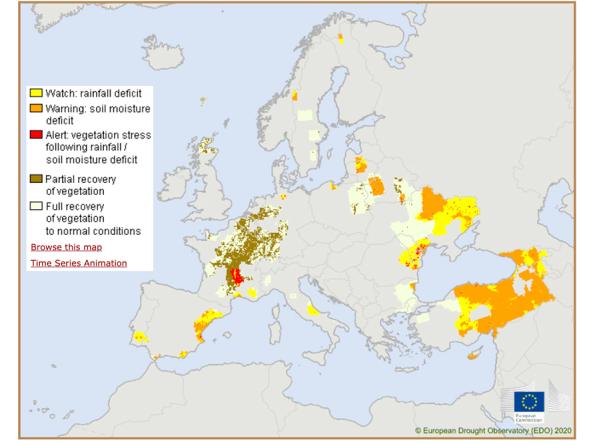
The CDI is derived by combining Standardized Precipitation Index (SPI), the Soil Moisture Anomaly (SMA), and the FAPAR Anomaly, and is used for detecting and monitoring areas that either are affected or have the potential to be affected by agricultural drought.
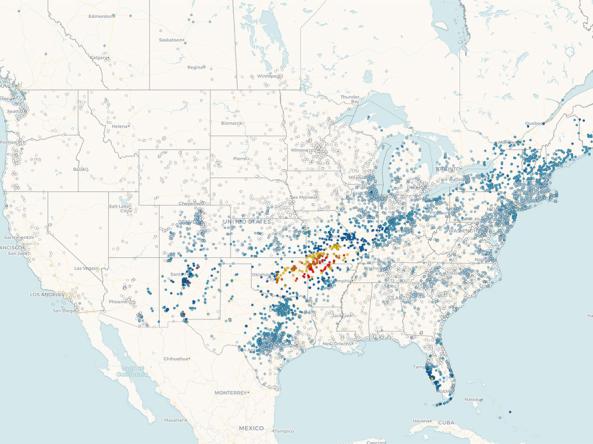
Precipitation data from CoCoRaHS: a non-profit, community-based network of volunteers of all ages and backgrounds working together to measure and map precipitation (rain, hail, and snow) across the U.S.
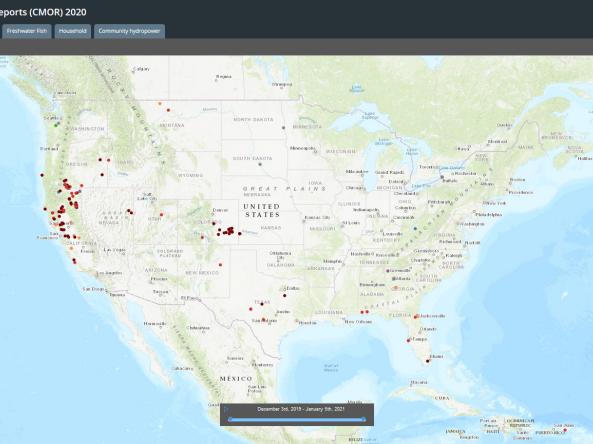
Condition Monitoring Observer Reports on Drought (CMOR-Drought) is a tool that allows citizen scientists to submit observation reports relating to drought, which are presented in a map that can be used to view and access submitted information and attachments.