Facing Future Droughts: Lessons from the Southeast’s 2023 Fall Flash Drought
Purpose and Scope
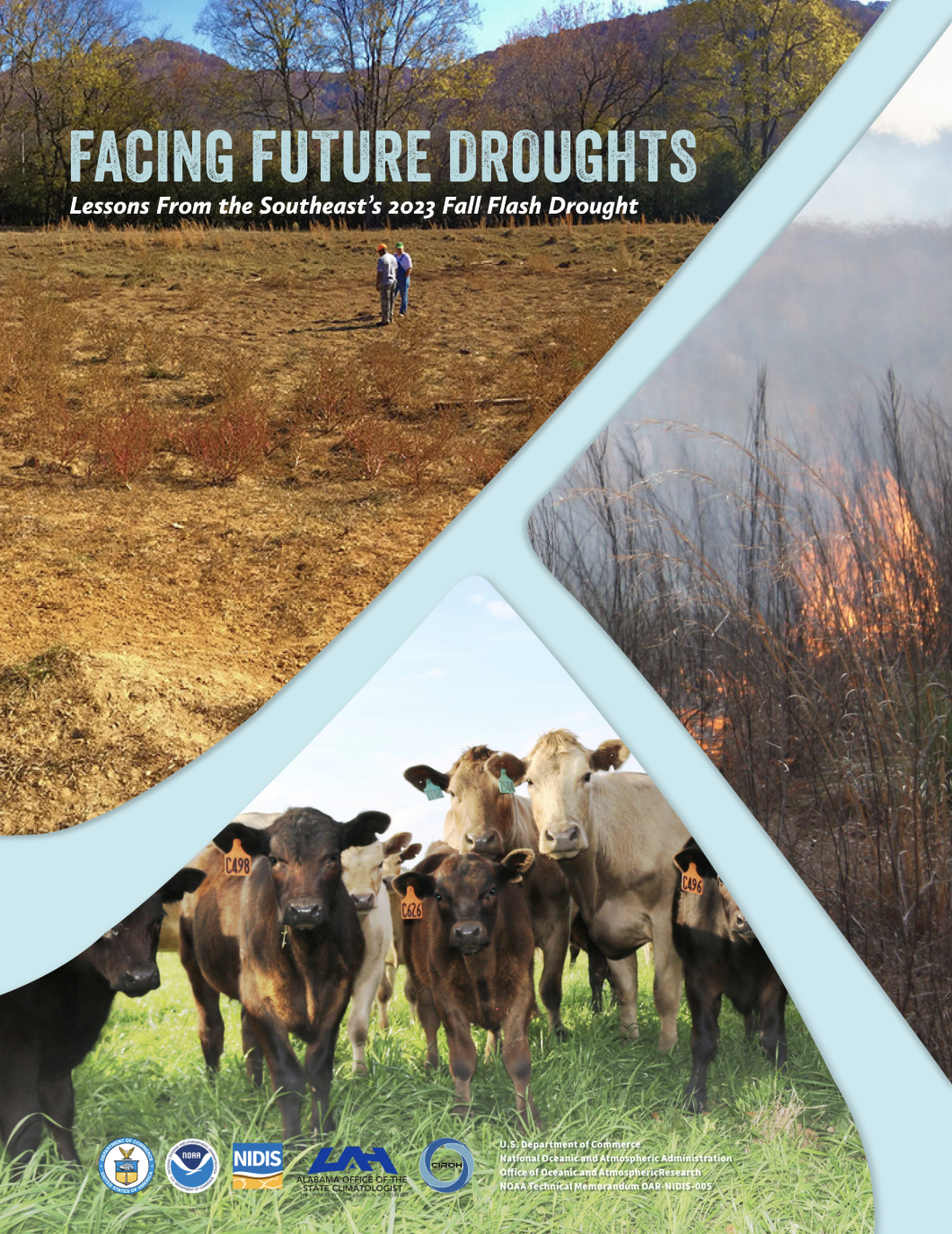
The report, Facing Future Droughts: Lessons from the Southeast’s 2023 Fall Flash Drought, was developed to improve the monitoring, communication, and response to drought in the Southeastern United States, with a specific focus on flash drought. The 2019 flash drought exposed critical gaps in early warning and monitoring systems, sparking conversations that continued during the 2022 Southeast Drought Early Warning System (DEWS) Regional Meeting. The report provides a retrospective analysis of the 2023 fall drought, including its development, sectoral impacts, and lessons learned for future resilience. This assessment was developed by the Alabama Office of the State Climatologist and the Cooperative Institute for Research to Operations in Hydrology (CIROH), a partnership between NOAA and The University of Alabama, with funding from NOAA’s National Integrated Drought Information System (NIDIS).
A second, forthcoming document will offer a deeper look at the science behind flash droughts, including historical patterns, the region’s unique hydrologic systems, and key tools to monitor and forecast rapid drought development.
Key Takeaways
Drought Is No Stranger to the Southeast
While the region typically receives high annual rainfall, even short-term precipitation deficits can lead to drought, especially during warmer months when evaporative demand (the “thirst” of the atmosphere) is high. The Southeast remains especially vulnerable to fall droughts, when the absence of tropical rainfall can trigger rapid drying across the region.
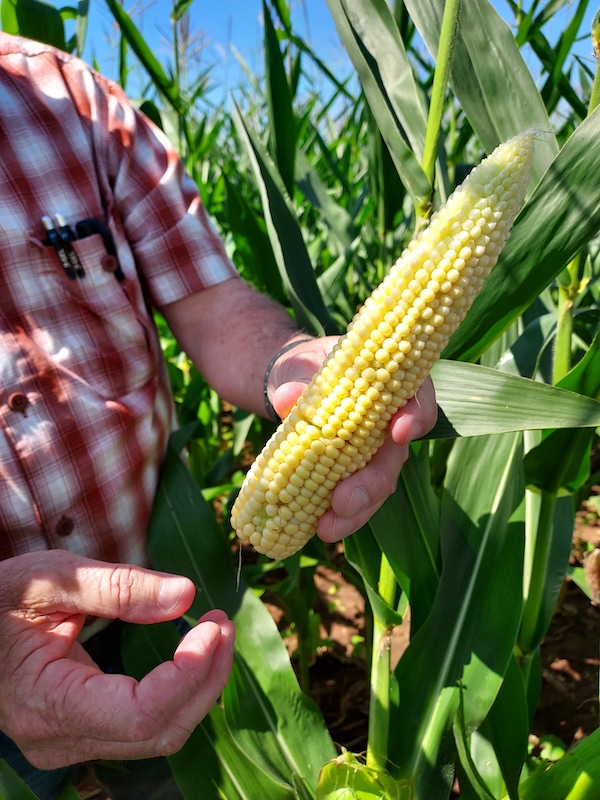
Southeast Agriculture and Forestry Are Highly Sensitive to Drought
Most agriculture in the Southeast depends on rainfall, and the region’s shallow soils and hot growing seasons make crops, pastures, and livestock especially vulnerable during dry periods. Drought can reduce hay and forage availability, lower crop yields, and increase livestock stress. Forestry risks also increase during dry periods, with heightened wildfire activity, tree stress, and pest outbreaks.
Strong Regional Collaboration and State-Level Innovation Support Drought Resilience
The Southeast benefits from a culture of cross-state communication and tailored drought monitoring programs. Partnerships through the Southeast DEWS, as well as innovative state-level tools and networks, have improved monitoring, coordination, and response across the region.
Sub-Monthly and Inter-Monthly Metrics Are Essential to Monitor Southeast Drought
Because conditions in the Southeast can shift quickly from wet to dry, drought metrics need to reflect rapid changes to capture emerging impacts. Standard 30-, 60-, or 90-day drought indices may overlook critical transitions. Sub-monthly (e.g., 8 to 21 days) and inter-monthly(e.g., 45 days) drought indicators help capture evolving conditions and provide earlier warnings for sectors like agriculture and water supply.
Observational Gaps Make It Hard to Track Localized Conditions
Limited soil moisture sensors, weather stations, and mesonets leave major portions of the Southeast, especially rural areas, with sparse data. These gaps make it difficult to detect emerging drought and assess sector-specific impacts at the local scale. They can also lead to “false positives,” where rain falls at a gauge site but not in the surrounding area.
Public Impact Reports Provide Crucial Local Context for Monitoring
Tools like Condition Monitoring Observer Reports (CMOR) and Community Collaborative Rain, Hail, and Snow Network (CoCoRaHS) fill observational gaps by capturing local conditions, especially in areas with limited instrumentation. These reports help those who monitor drought understand how dry conditions are affecting several sectors in real time.
Drought Communication Must Balance Data and Human Experience
Drought often develops quietly, with impacts occurring before official state-level drought task forces declare changes in drought status or before the U.S. Drought Monitor (USDM) shows degradation in drought categories. This is especially true in the Southeast, where rapid-onset droughts are common and can outpace the tools commonly used to track them. The development of sub-monthly and inter-monthly indices will provide more monitoring metrics that align with rapidly developing impacts, which in turn could help enhance state monitoring task forces and the USDM in detecting drought earlier to better support the needed response.
Opportunities Remain to Strengthen Drought Preparedness in the Southeast
Regional networks and state programs are already working towards better drought preparedness. Continued investment in monitoring tools, public reporting, agricultural data access, and cross-state coordination will strengthen the region’s ability to anticipate, manage, and recover from drought.
Causes of the 2023 Flash Drought
The drought in the Southeast during the fall of 2023 was characterized by a lack of widespread, adequate rainfall from tropical systems, especially in the western portion of the region. This scarcity of tropical rainfall, coupled with quickly accumulating precipitation deficits and hotter-than-average temperatures, caused a rapid transition to drought. These conditions intensified the drying process, leading to a swift and widespread progression of drought that persisted into early 2024.
Impacts
Across the region, farmers reported delayed planting and reduced yields for fall-planted crops such as rye, wheat, and hay. Some water supplies showed signs of strain in both public systems and private wells, with some communities imposing voluntary water restrictions in response to lowered reservoir levels. Along with these impacts, two of the most significantly affected sectors were livestock and wildfire.
2023 Drought Impacts on Southeast Livestock
- By November 2023, USDA National Agricultural Statistics Service (NASS) data showed that at least half of Mississippi, Alabama, and South Carolina pastures were in poor or very poor condition, with Virginia and Tennessee also experiencing rapid drying.
- Producers were forced to purchase supplemental hay earlier at higher prices, creating significant financial pressure.
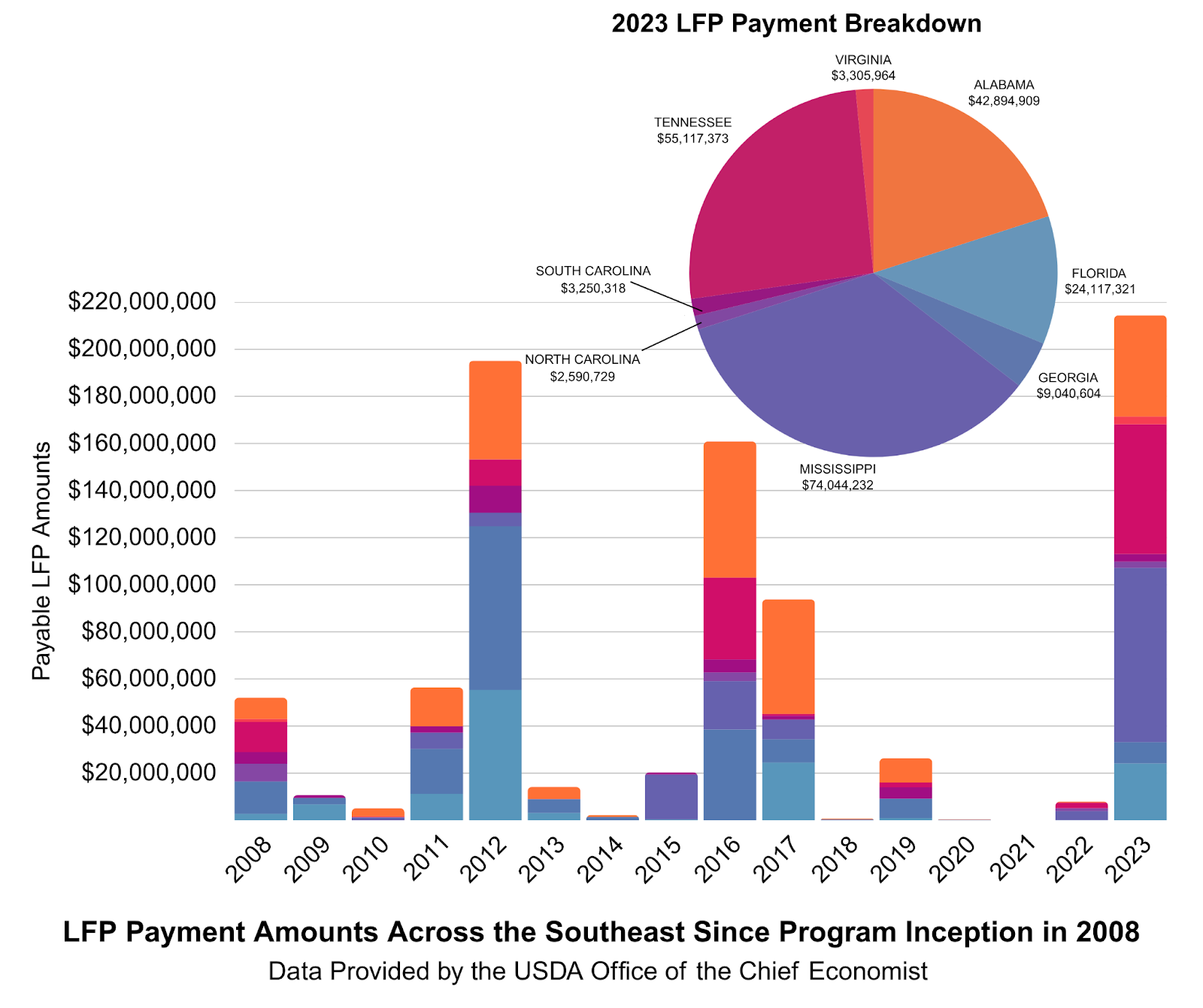
- USDA’s Livestock Forage Disaster Program (LFP) delivered over $214 million to Southeast livestock producers in 2023, the region’s highest allocation since the program began in 2008 (see figure above). Mississippi ($74 million), Tennessee ($55 million), Alabama ($43 million), and Florida ($24 million) received the largest amounts.
2023 Drought Impacts on Southeast Wildfire Activity
- The Southeast experienced approximately 240 named wildfires in national forests between July and December 2023, with many more occurring on state, county, or private land. Based on the July-December timeframe in the U.S. Forest Service National Fire Occurrence Point dataset, 2023 ranks as the third most active wildfire season in the Southeast, following the severe drought years of 2000 and 2016.
- The highest concentration of wildfires occurred in Mississippi and Alabama, with DeKalb County, Alabama, and Perry County, Mississippi reporting more than 50 wildfires during the July–December 2023 period.
- In 2023, many states enacted early burn bans to avoid a repeat of the 2016 events. These improved mitigation strategies resulted in fewer actual fire incidents in some high-potential areas.
Lessons Learned
To inform this report, a regional survey of drought monitoring entities across the Southeast gathered input from approximately 20 individuals representing statewide and regional drought coordination teams. Respondents shared their experiences during the 2023 drought, including how they monitored and communicated drought conditions, observed impacts, coordinated efforts between agencies, and what tools, programs, or practices were most effective. They also shared key lessons divided up by strengths, challenges, and opportunities.
- Lesson: The Southeast Already Has Great Drought Management Practices in Place
- Strength: Strong Regional Support from the Southeast Drought Early Warning System (DEWS)
- Strength: Established Cross-State Collaboration
- Strength: Innovative State-Level Approaches
- Lesson: The Southeast Has Distinct Drought Monitoring Challenges
- Challenge: Tracking Drought in a Rapid and Variable Hydrologic Cycle
- Challenge: Gaps in Observational Networks
- Challenge: Sparse Local Impact Reports
- Challenge: Bridging the Gap Between Data and Lived Experiences
- Lesson: The Southeast Can Build on Strong Foundations to Improve Drought Resilience
- Opportunity: Integrate Sub-Monthly and Inter-Monthly Metrics and Teleconnection Insights Into National and State-level Drought Monitoring
- Opportunity: Bolster Relationships With Drought-Related Stakeholders
- Opportunity: Improve Access to Disaggregated Agricultural Data
- Opportunity: Encourage Citizen Impact Reporting
- Opportunity: Strengthen Cross-State Information Sharing
Conclusions
The fall 2023 drought in the Southeast underscored valuable lessons about how drought behaves in this complex and often water-rich region. It revealed the importance of early and consistent impact reporting, the need for greater integration of sub-monthly and inter-monthly monitoring tools, and the value of strong relationships between drought monitoring entities and sector-specific stakeholders. The event also demonstrated how collaborative frameworks like the Southeast DEWS and innovative state-led programs can drive more responsive and informed drought management.