




This handout provides information on the typical La Niña winter pattern; the La Niña outlook; potential winter and spring impacts; and comparisons of conditions during previous La Niña years for the Missouri River Basin region. Updated November 2021.
NOAA’s Regional Climate Services Program created these outlooks to inform the public about climate impacts within their respective regions. Each regional report contains easy-to-understand language, and anyone can access them through the Drought Portal.

This summary provides information on the typical La Niña winter pattern; the La Niña outlook; potential impacts; and comparisons of conditions during previous La Niña years for the Western U.S., updated in November 2021.
NOAA’s Regional Climate Services Program created these outlooks to inform the public about climate impacts within their respective regions. Each regional report contains easy-to-understand language, and anyone can access them through the Drought Portal.
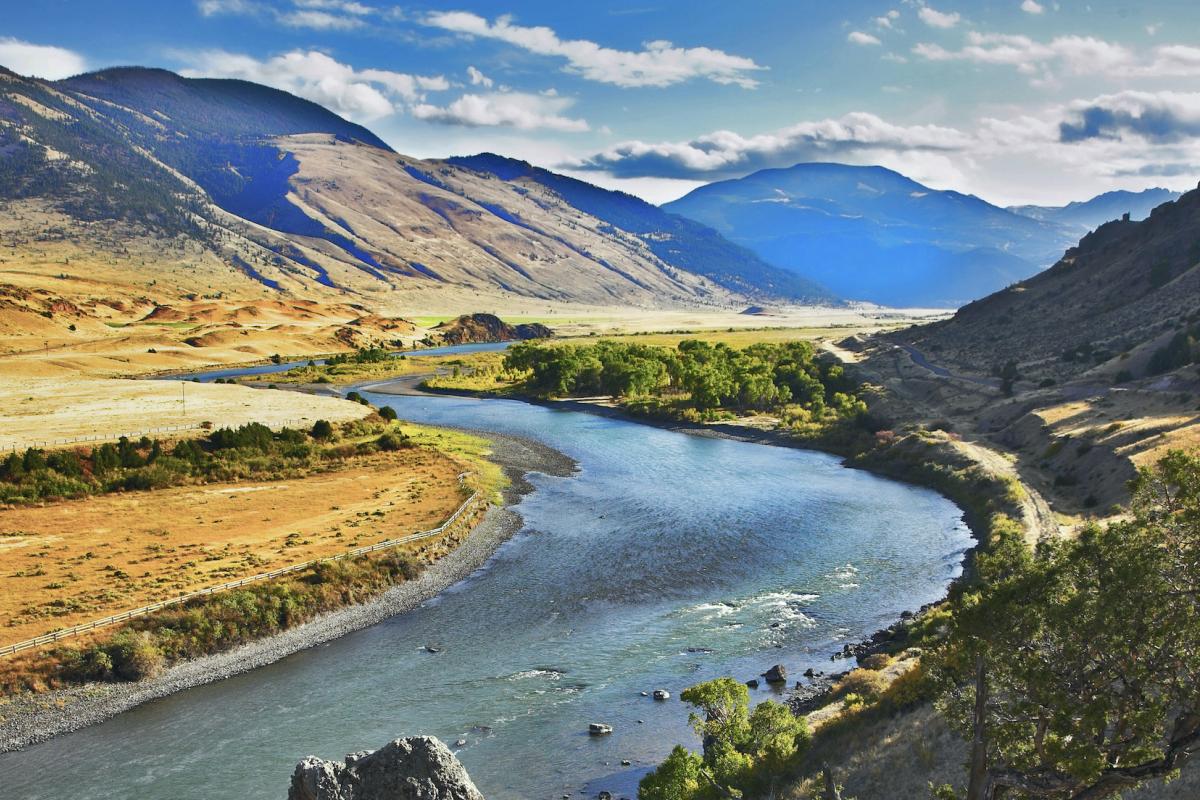

This article in the Proceedings of the National Academy of Sciences of the United States of America (PNAS) was the result of NIDIS-supported research. Learn more about this research.
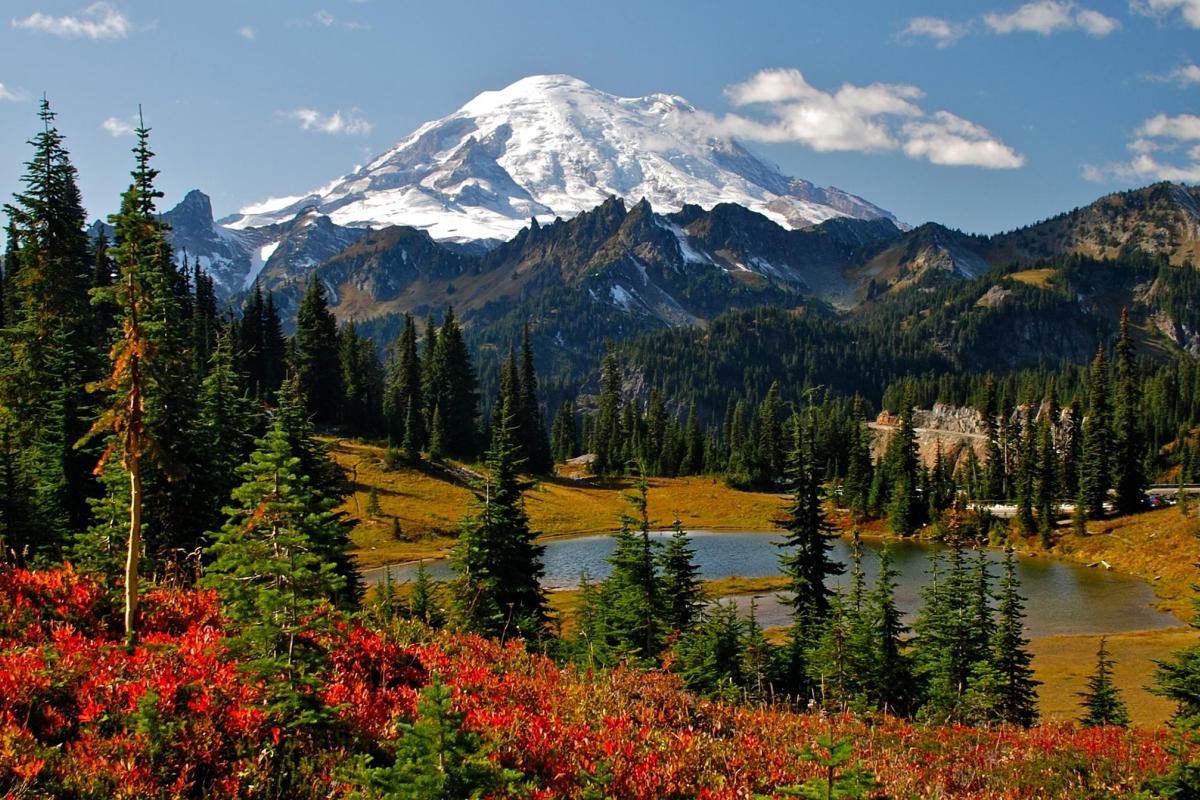

Quarterly Climate Impacts and Outlook for the Missouri River Basin June - August 2021. Dated September 2021.
Extreme heat and reduced precipitation in the region this summer had a major impact on crops, grasslands, and wildlife. Many states ranked in the top 10 warmest summers on record. Below normal precipitation was present this season for most of the region.

Quarterly Climate Impacts and Outlook for the Western Region for June - August 2021. Dated September 2021.
Temperatures were well above average across nearly the entire west and were record breaking in some cases. Over 89% of the western U.S. is in drought, with 54% in extreme to exceptional drought.

Severe, extreme, or exceptional drought conditions have become increasingly common throughout the western United States over the past 20 years. Abnormally dry conditions can lead to a wide range of negative economic impacts across a wide range of sectors that either directly or indirectly depend on weather-dependent ecosystem services.

The National Weather Service Central Region developed 2021 Fall Hazard Outlooks in coordination with NOAA's National Centers for Environmental Information and National Integrated Drought Information System (NIDIS); U.S. Department of Agriculture; High Plains Regional Climate Center; and National Interagency Fire Center's Geographic Area Coordination Centers. This outlook highlights the various Fall hazards that could occur and potential impacts across the Western U.S.