
Quarterly Climate Impacts and Outlook for the Western Region for December 2022–February 2023. Dated March 2023.
Temperatures were below normal across nearly the entire West with the exception of parts of southeast New Mexico. A series of atmospheric rivers from late December through mid-January brought heavy precipitation to California, the Great Basin, and parts of the northern Rockies where total winter precipitation was record high in some instances.

On October 19–20, 2022, the National Integrated Drought Information System (NIDIS) and the University of Nebraska Medical Center co-led the Pacific Northwest Drought and Human Health Workshop in Portland, Oregon. The workshop was intended to identify gaps and needs, opportunities for collaboration, and ways to integrate the health sector and existing drought activities.
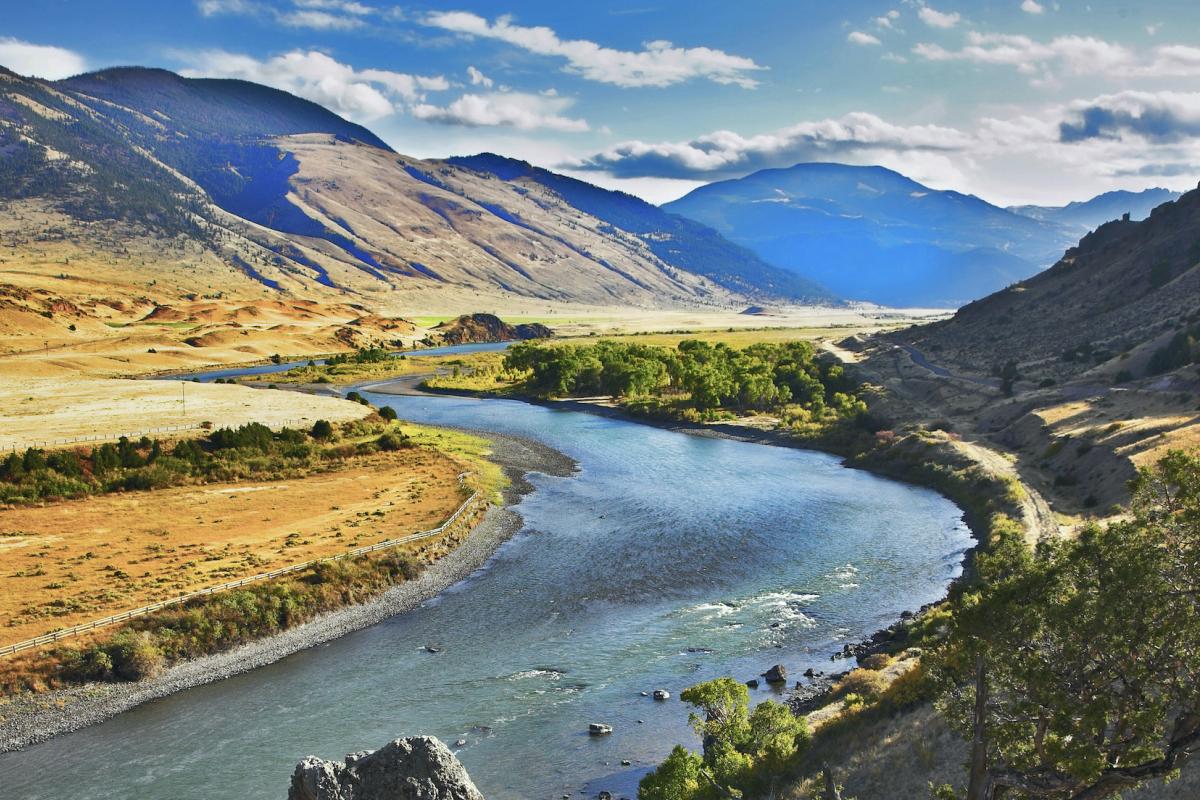

The 2020–2021 drought of the greater U.S. Northern Plains and Canadian Prairies was a multi-billion-dollar event that had wide-reaching impacts on the region’s communities, ecosystems, water resources, and agricultural systems. Building off of the lessons learned from the flash drought of 2017—the last drought to affect the region—the 2020–2021 Drought in the U.S. Northern Plains and Canadian Prairies report advances understanding of drought response and preparedness actions by highlighting new efforts, along with outstanding gaps and needs.

Quarterly Climate Impacts and Outlook for the Missouri River Basin for September–November 2022. Dated December 2022.
Temperatures were near to slightly above-normal for the majority of the Missouri River Basin this fall. Precipitation was below normal for much of the northern Great Plains, while mountainous areas to the west observed normal to above-normal precipitation.

Quarterly Climate Impacts and Outlook for the Western Region for September–November 2022. Dated December 2022.