U.S. flag

An official website of the United States government

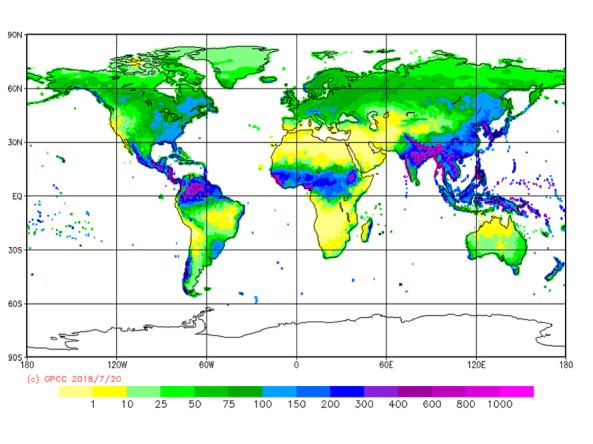
The GPCC provides unrestricted access to its monthly gridded precipitation data sets for climate monitoring purposes and related research.

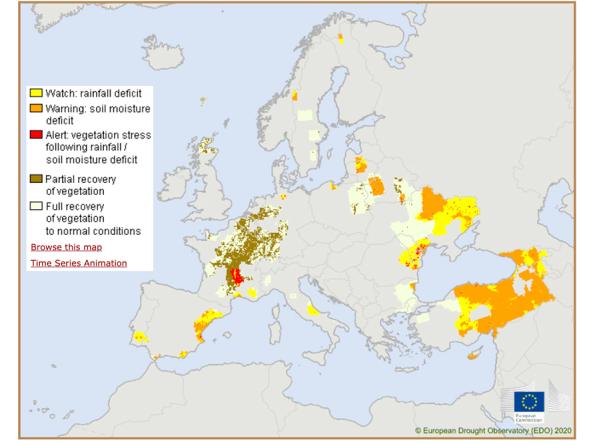
The CDI is derived by combining Standardized Precipitation Index (SPI), the Soil Moisture Anomaly (SMA), and the FAPAR Anomaly, and is used for detecting and monitoring areas that either are affected or have the potential to be affected by agricultural drought.

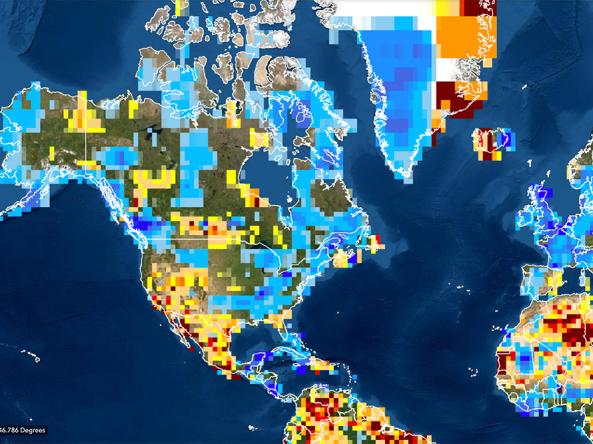
GPCC Drought Index: a standardized anomaly of precipitation and potential evapotranspiration regarding to long-term means.

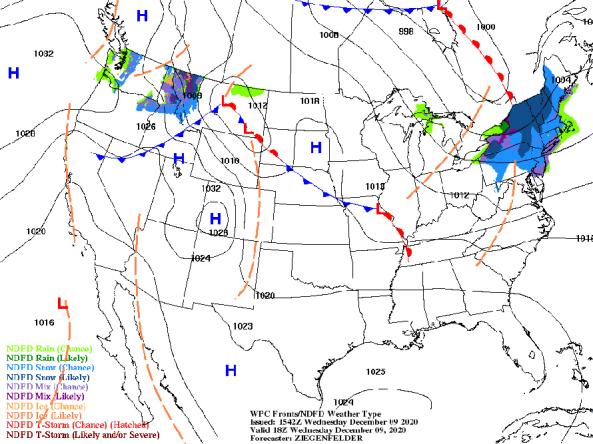
NWS provides a wide selection of forecast maps for temperature and precipitation for the next 12 hours to 6 days.

SNODAS provides estimates of snow cover, depth, snow water equivalent (SWE) and associated variables to support hydrologic modelling and analysis.

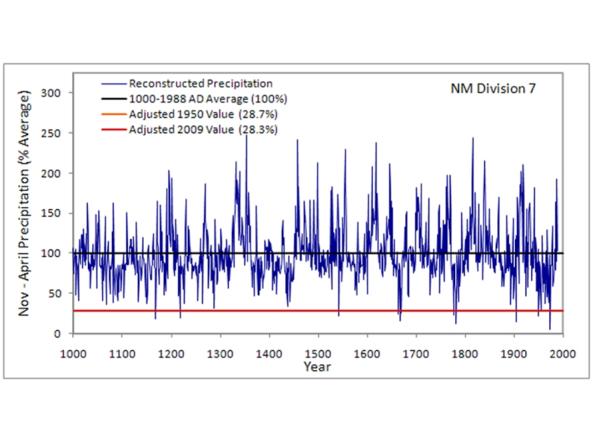
This CLIMAS Southwest Paleoclimate Tool provides detailed paleoclimate information for Arizona and New Mexico. 

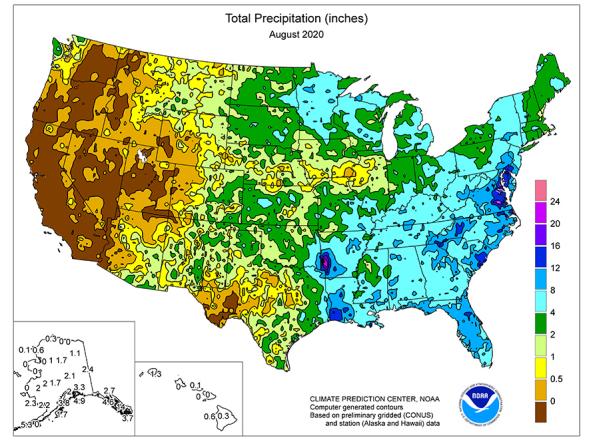
Regional weekly, one-, three-, and twelve-month maps depicting total precipitation, percent of normal precipitation, average temperature, maximum and minimum temperatures, and departures from normal, produced by CPC.

The Keetch-Byram Drought Index assesses the risk of fire by representing the net effect of evapotranspiration and precipitation in producing cumulative moisture deficiency in deep duff and upper soil layers.

The Soil Climate Analysis Network (SCAN) provides soil and climate data to support natural resource assessments and conservation activities, focusing on agricultural areas of the U.S.

Daily or monthly temperature and precipitation observations for stations across Australia.

Subscribe to Precipitation