U.S. flag

An official website of the United States government

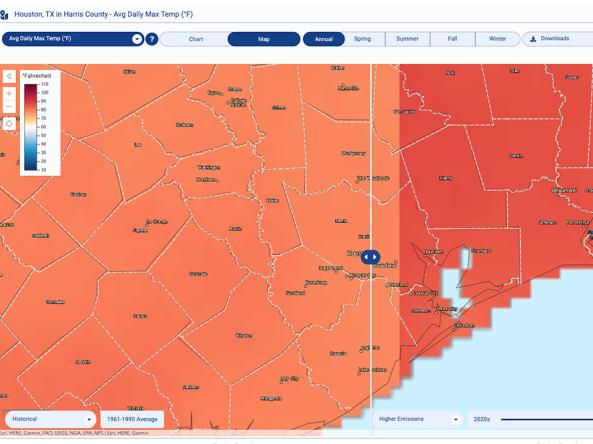
The Climate Explorer offers graphs and maps of observed and projected temperature, precipitation, and related climate variables for every county in the contiguous United States, helping people assess potential exposure, vulnerability, and risk to their assets.

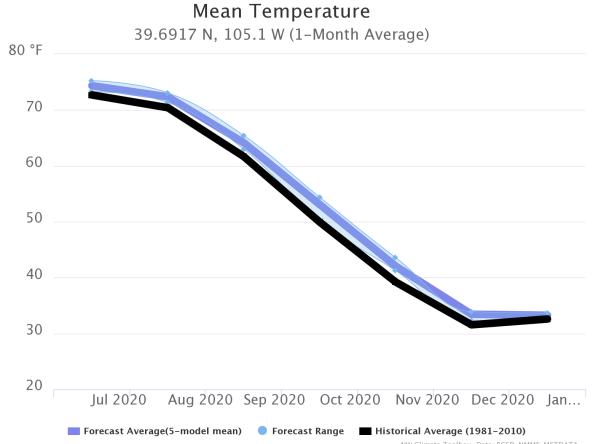
This tool, available as part of The Climate Toolbox, provides a graphical summary of seasonal climate forecasts of temperature and precipitation for the next sever months for a selected location.

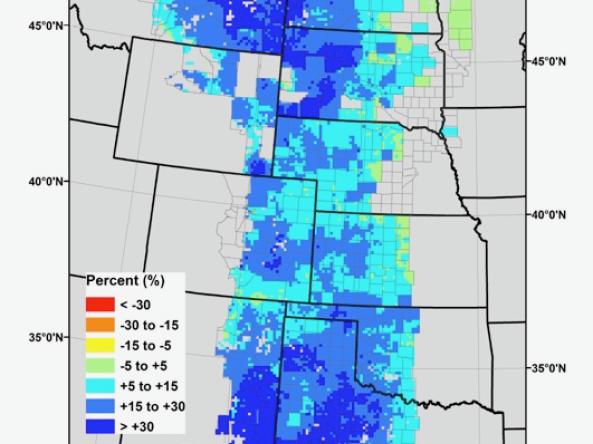
Grass-Cast indicates for ranchers and rangeland managers what productivity is likely to be in the upcoming growing season relative to their own county’s 34-year history.

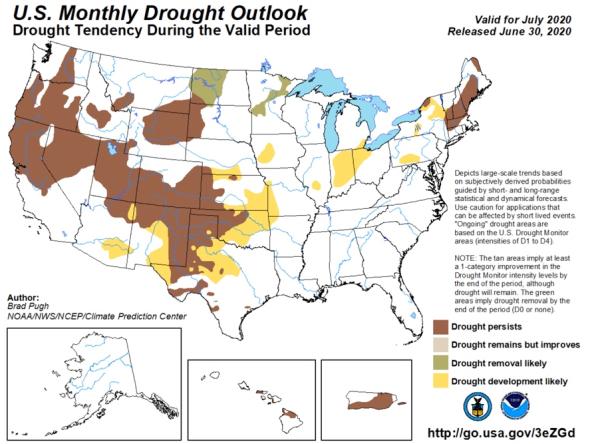
The monthly and seasonal (3-month) outlook for drought tendency from the Climate Prediction Center (CPC), which depicts large-scale trends based on subjectively derived probabilities guided by short- and long-range forecasts.

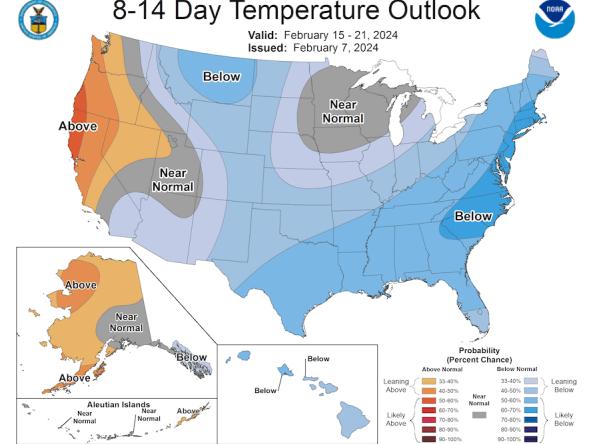
The Climate Prediction Center (CPC) produces temperature and precipitation outlooks for the U.S., including 6-10 day, 8-14 day, monthly, and seasonal outlooks.

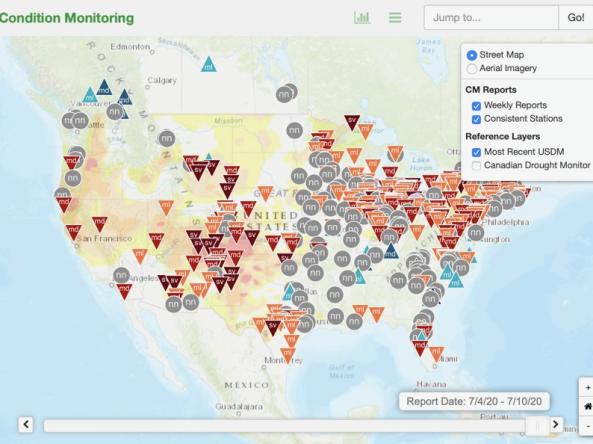
This condition monitoring map is a tool intended to depict local, community-level conditions and how recent weather and climate events have affected those communities. 

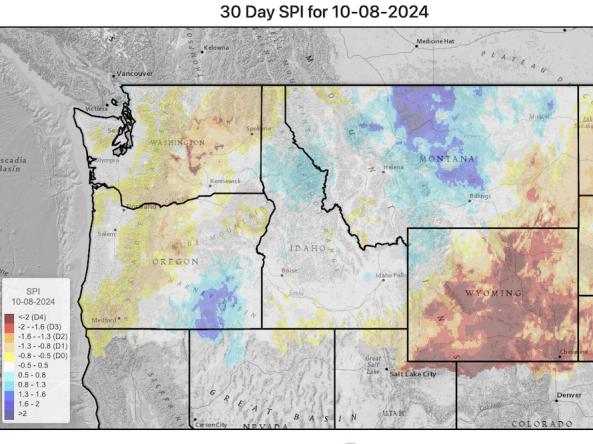
This website provides access to drought indices that are used by the Montana Governor’s Drought and Water Supply Advisory Committee (Monitoring Sub-Committee), though it covers the whole Upper Missouri River Basin, not just Montana.

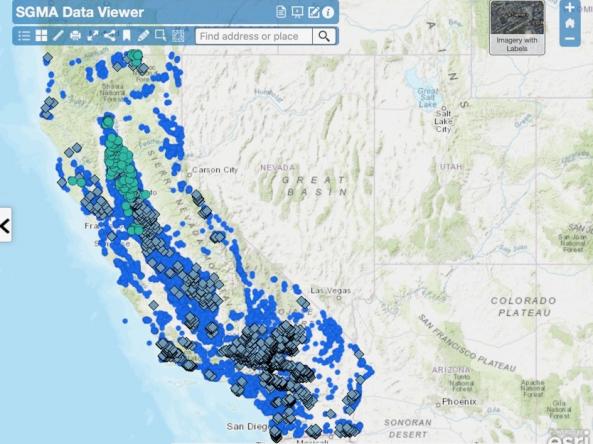
This interactive tool shows California groundwater level data, including depth below ground surface, groundwater elevation, and groundwater change in elevation. 

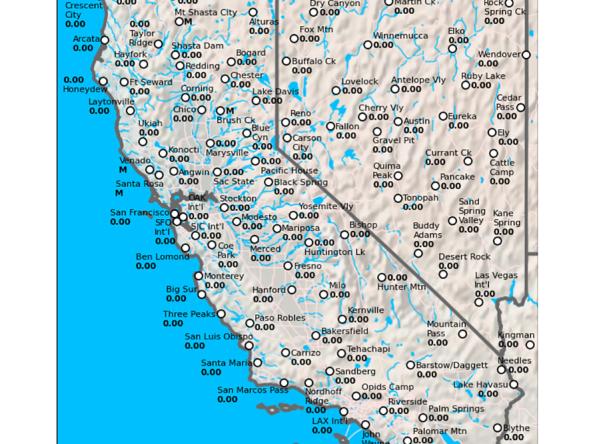
The California Data Exchange Center is a centralized database that stores, processes, and exchanges real-time hydrologic information on precipitation, river forecast, river stages/flow, snow, and reservoir storage conditions in California

The National Interagency Fire Center (NIFC) curates an ArcGIS Online organization to provide a common location for online mapping during wildland fire incident support and response activities. Publicly accessible data include current active wildfire locations, historic wildfire locations, relevant boundaries (GACC and initial attack frequency zones), and structure locations.

Subscribe to United States