An official website of the United States government
Here’s how you know
The .gov means it’s official.
Federal government websites often end in .gov or .mil. Before sharing sensitive information, make sure you’re on a federal government site.
The site is secure.
The
https://
ensures that you are connecting to the official website and that any information you provide is encrypted and transmitted securely.

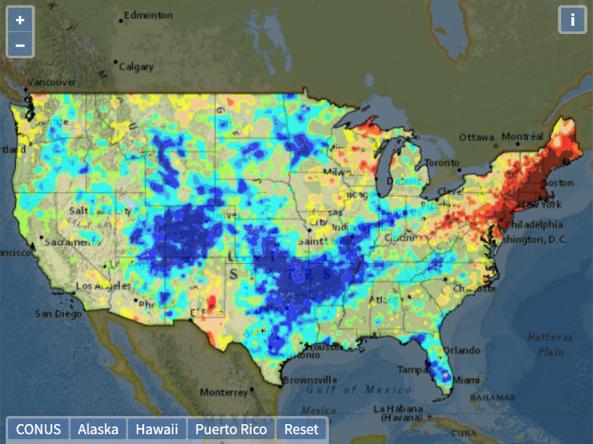
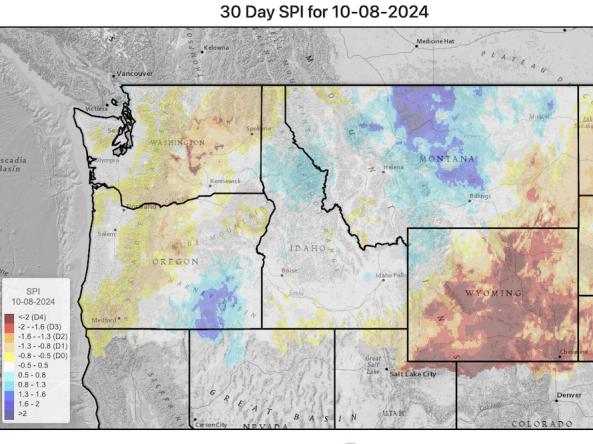
The US Gridded Standardized Precipitation Index (SPI) is derived from the nClimGrid-Monthly dataset and includes timescales of 1, 2, 3, 6, 9, 12, 24, 36, 48, 60 and 72 months.
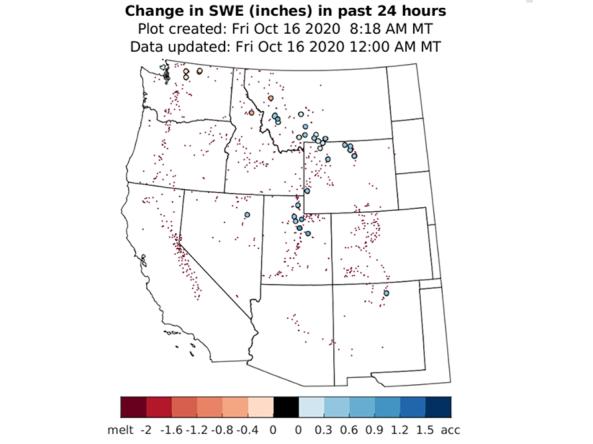
Snow Today updates daily images on snow conditions and relevant data, and also provides monthly scientific analyses from January to May, or more frequently as conditions warrant. The National Snow and Ice Data Center is part of CIRES at the University of Colorado Boulder.
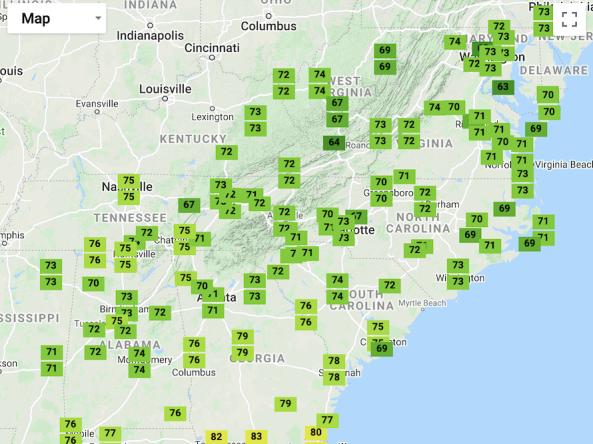
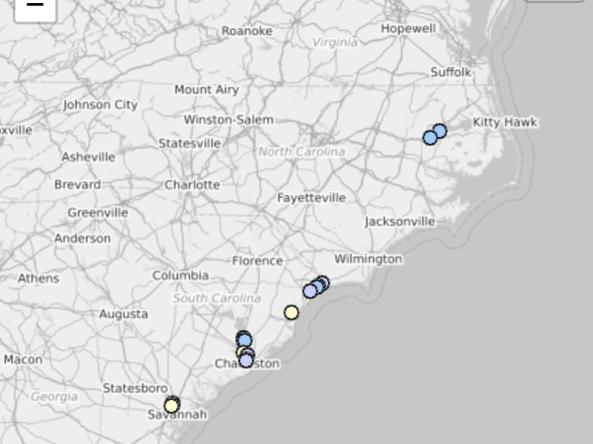
A one-stop shop tool that places recent temperature and precipitation conditions in both a historical and geographical perspective across the Southeast.
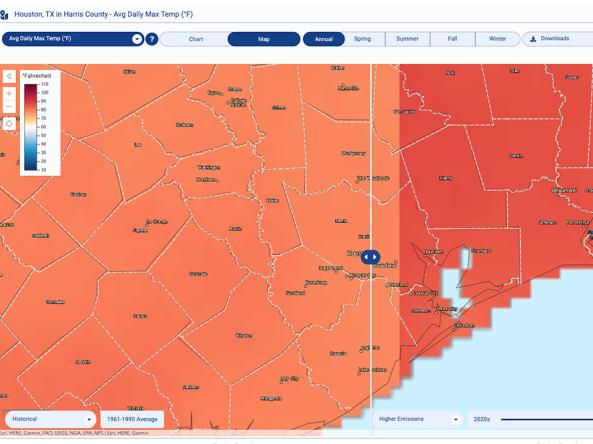
The Climate Explorer offers graphs and maps of observed and projected temperature, precipitation, and related climate variables for every county in the contiguous United States, helping people assess potential exposure, vulnerability, and risk to their assets.
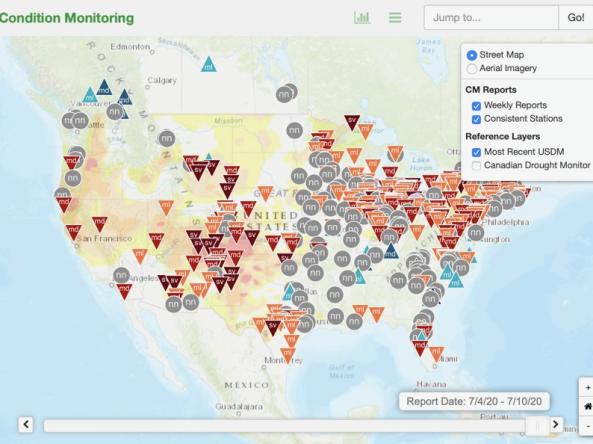
This condition monitoring map is a tool intended to depict local, community-level conditions and how recent weather and climate events have affected those communities.
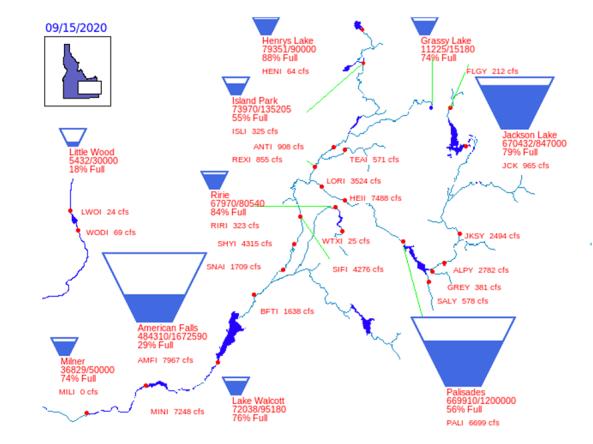
This website provides access to drought indices that are used by the Montana Governor’s Drought and Water Supply Advisory Committee (Monitoring Sub-Committee), though it covers the whole Upper Missouri River Basin, not just Montana.
cli-MATE is the MRCC's Application Tools Environment for accessing climate data and value-added tools. cli-MATE can be used to look up such information as raw climate data, rankings of climate information, thresholds, growing season tools, maps, graphs, and more.
Data Coverage
United States
Period of Record
Current Conditions, Historical Data (period of record varies)