





Quarterly Climate Impacts and Outlook for the Midwest Region for December 2022–February 2023. Dated March 2023.
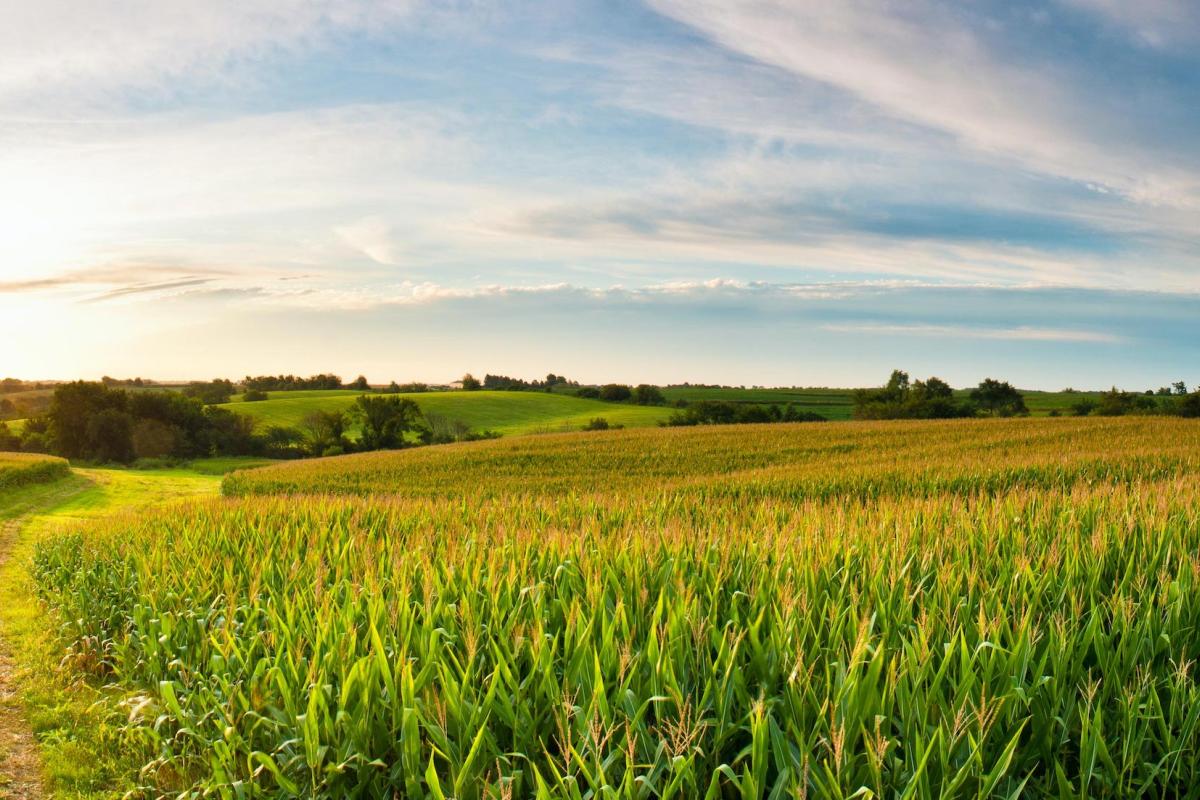

Quarterly Climate Impacts and Outlook for the Midwest Region for September–November 2022. Dated December 2022.
Average fall temperatures were 1–2°F above normal across the upper Midwest, near normal across the central Midwest, and 1–2°F below normal across the lower Midwest. Most of the Midwest had less than 75 percent of normal precipitation for fall, with the south-central Midwest, western Iowa, and southern Minnesota accumulating less than 50 percent of normal.

Despite being a humid region, droughts pose a serious threat to the southeastern United States. Recent events, including flash droughts, have caused substantial impacts to agriculture, forestry, water resources, and other sectors and stakeholders. The drought planning literature cites reduced fragmentation and increased coordination as critical needs to improving drought preparedness and response.

This handout provides information on the typical La Niña winter pattern; the La Niña outlook; potential impacts; and comparisons of conditions during previous La Niña years for the Midwest U.S. Updated November 2022.
NOAA’s Regional Climate Services Program created these outlooks to inform the public about climate impacts within their respective regions. Each regional report contains easy-to-understand language, and anyone can access them through the Drought Portal.
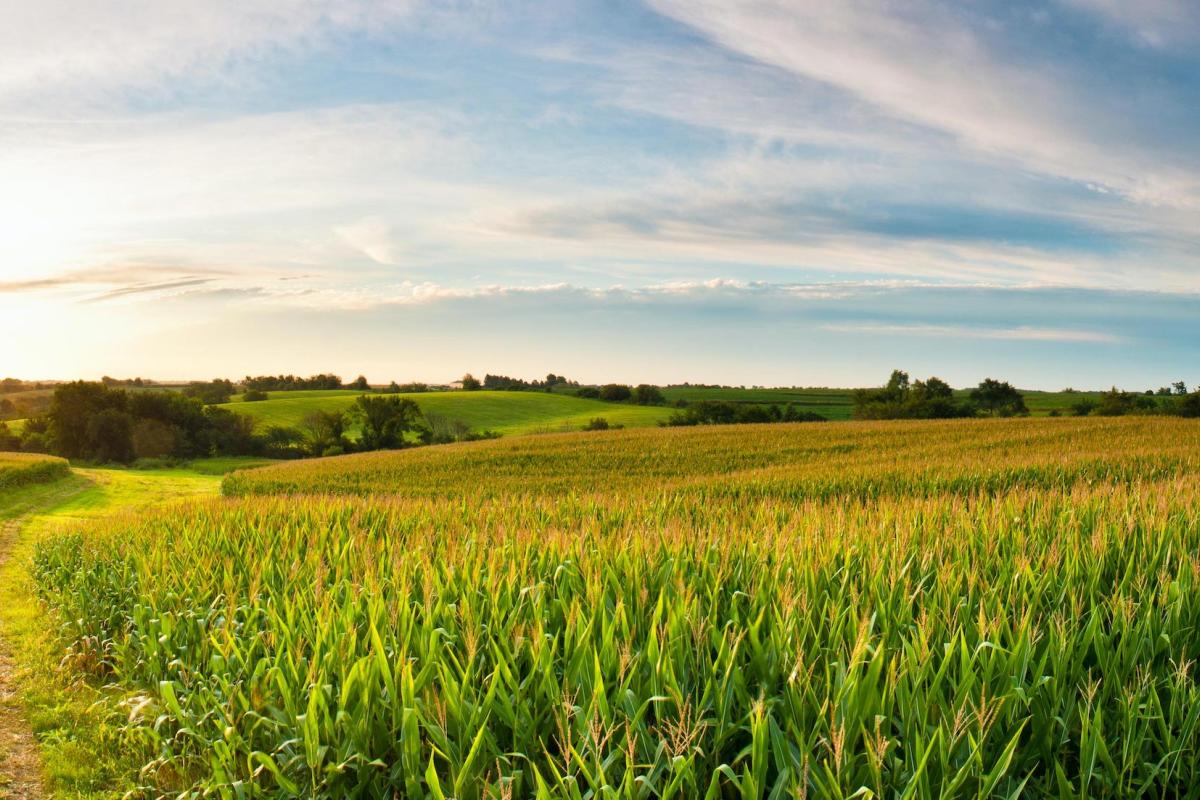

Quarterly Climate Impacts and Outlook for the Midwest Region for June–August 2022. Dated September 2022.
Temperatures were 1–4°F above normal in the west and south during the summer, with the central portion of the region near normal. Summer precipitation was near normal to as much as 175% of normal east of the Mississippi River and as low as 50% of normal to the west.