




This handout provides information on the typical El Niño winter pattern; the El Niño outlook; potential winter and spring impacts; and comparisons of conditions during previous El Niño years for the Great Lakes region. Updated November 2023.
NOAA’s Regional Climate Services Program created these Outlooks to inform the public about climate impacts within their respective regions. Each regional report contains easy-to-understand language, and anyone can access them through the U.S. Drought Portal.

This report provides information on the typical El Niño winter pattern; the El Niño outlook; potential impacts; and comparisons of conditions during previous El Niño years for the Midwest U.S. Updated November 2023.
NOAA’s Regional Climate Services Program created these outlooks to inform the public about climate impacts within their respective regions. Each regional report contains easy-to-understand language, and anyone can access them through the U.S. Drought Portal.
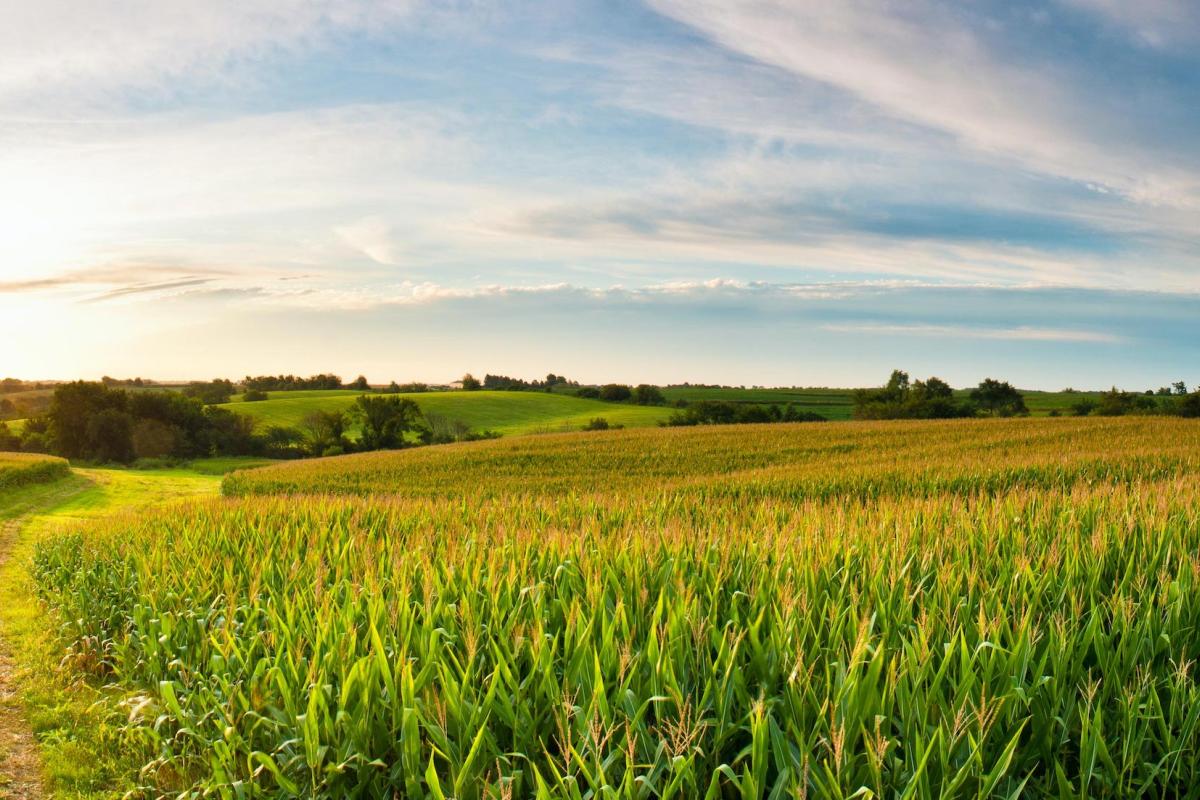

Quarterly Climate Impacts and Outlook for the Canadian and U.S. Prairies and High Plains for June–August 2023, with an outlook for October–December 2023. Dated September 2023.
While much of the Prairies and High Plains saw warmer-than-normal conditions, the southwestern region remained cooler than normal. Much drier-than-normal conditions were observed across regions along the international border, with the dry spell extending further inland which impacted regions within Saskatchewan, Manitoba, and Minnesota.

Quarterly Climate Impacts and Outlook for the Midwest Region for June–August 2023. Dated September 2023.
Summer temperatures were near normal for most of the Midwest, with slightly above-normal temperatures in the west and slightly below-normal temperatures in the east. Summer precipitation was 84% of normal for the Midwest. Deficits of 4–10 inches were widespread across the northwest, while surpluses of 2–8 inches were observed across the south-central and eastern Midwest.

Quarterly Climate Impacts and Outlook for the Great Lakes Region for June–August 2023. Dated September 2023.
Summer temperatures were 2°C (4°F) below normal in the Erie basin, to near normal elsewhere. Summer precipitation was 96% of average, with Superior dry, Ontario wet, and the others near average.

Quarterly Climate Impacts and Outlook for the Great Lakes Region for March–May 2023. Dated June 2023.
Spring temperatures ranged from 2°C (4°F) below normal to 1°C (2°F) above normal. Spring precipitation was 90% of average, with the Erie basin being dry, Superior basin being wet, and the other basins near average.