U.S. flag

An official website of the United States government

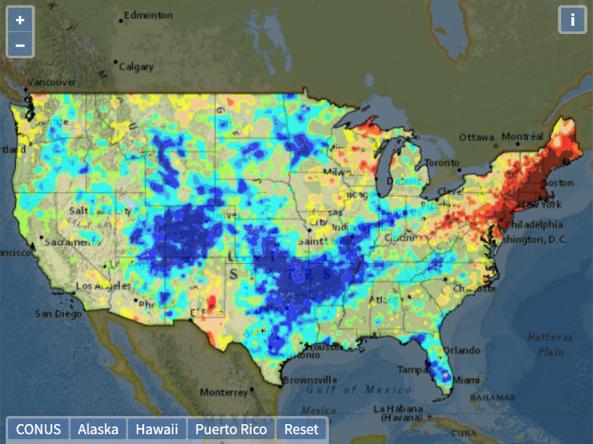
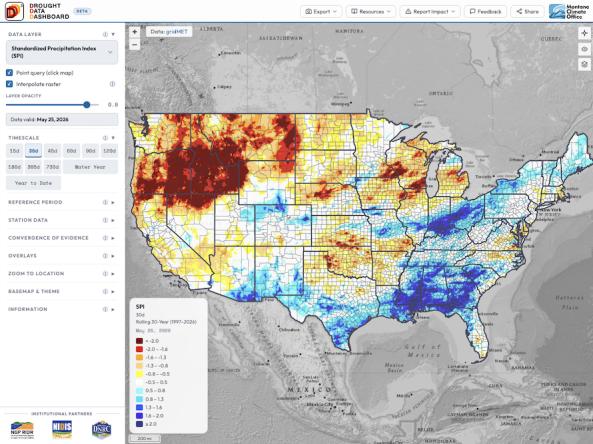
The US Gridded Standardized Precipitation Index (SPI) is derived from the nClimGrid-Monthly dataset and includes timescales of 1, 2, 3, 6, 9, 12, 24, 36, 48, 60 and 72 months.

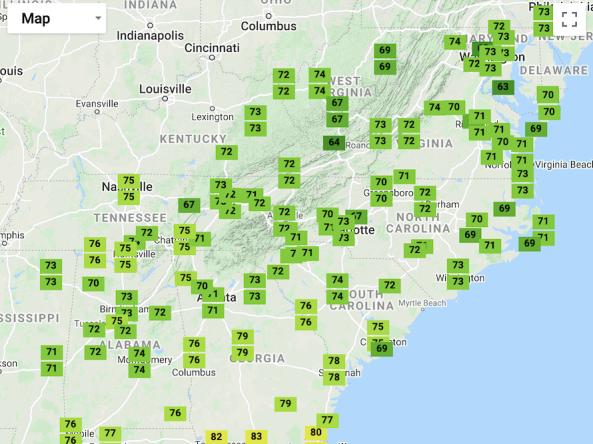
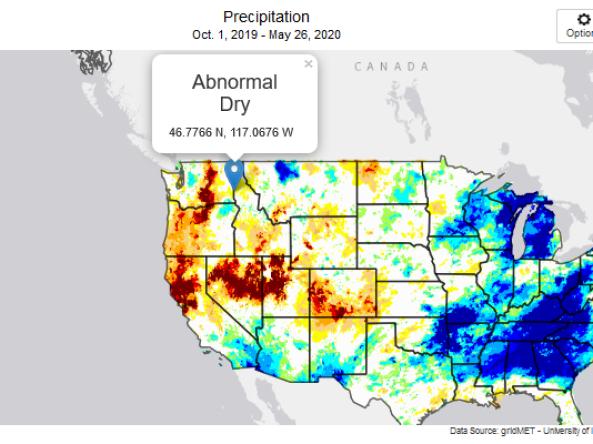
A one-stop shop tool that places recent temperature and precipitation conditions in both a historical and geographical perspective across the Southeast.

Published on

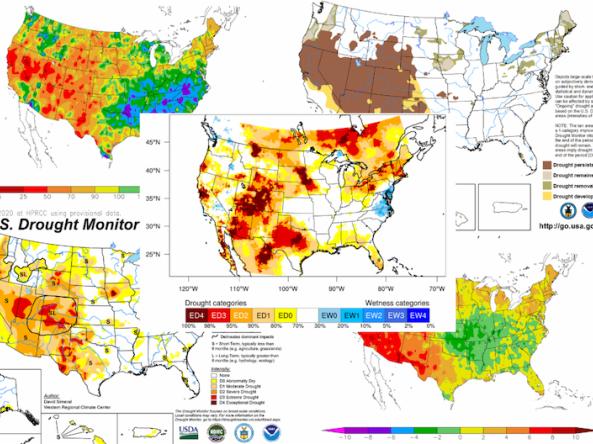
This series of maps shows the current state of drought in the United States. Included are the factors that have led to the drought, primarily below average precipitation coupled with high to record-breaking temperatures; impacts such as the wildfires burning across the West; experimental drought indicators like the Evaporative Demand Drought Index; and outlooks for the rest of summer and fall.

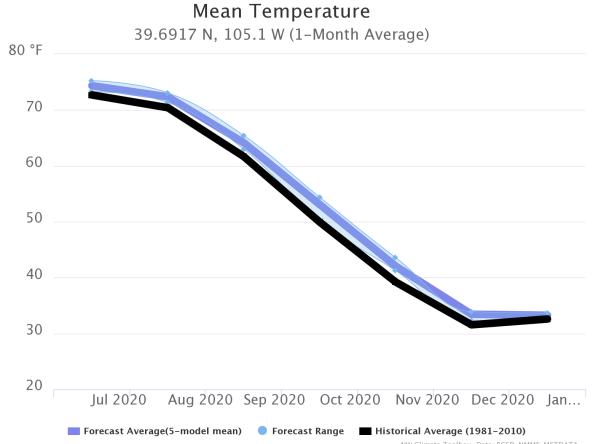
This tool, available as part of The Climate Toolbox, provides a graphical summary of seasonal climate forecasts of temperature and precipitation for the next sever months for a selected location.

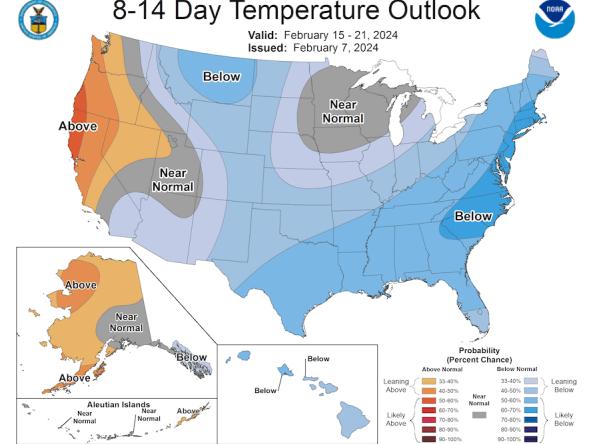
The Climate Prediction Center (CPC) produces temperature and precipitation outlooks for the U.S., including 6-10 day, 8-14 day, monthly, and seasonal outlooks.

This website provides access to drought indices that are used by the Montana Governor’s Drought and Water Supply Advisory Committee (Monitoring Sub-Committee), though it covers the whole Upper Missouri River Basin, not just Montana.

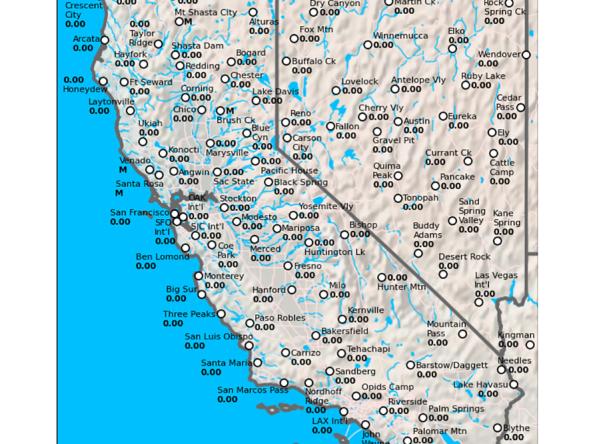
The California Data Exchange Center is a centralized database that stores, processes, and exchanges real-time hydrologic information on precipitation, river forecast, river stages/flow, snow, and reservoir storage conditions in California

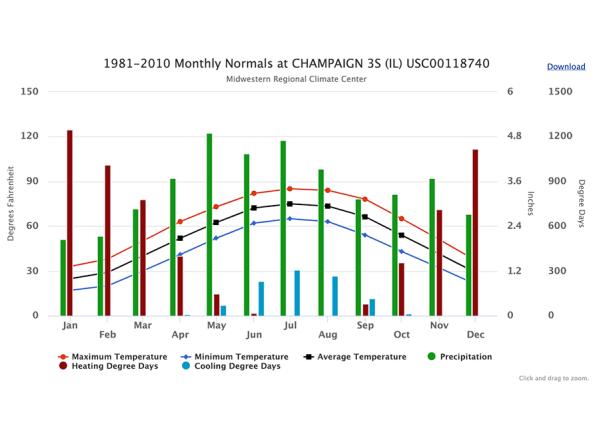
cli-MATE is the MRCC's Application Tools Environment for accessing climate data and value-added tools. cli-MATE can be used to look up such information as raw climate data, rankings of climate information, thresholds, growing season tools, maps, graphs, and more.

This tool, available as part of The Climate Toolbox, provides maps and summary tables of different drought types, such as agricultural and meteorological drought, for a location in the contiguous United States and enables easy comparison to a display of the current map of the U.S. Drought Monitor.

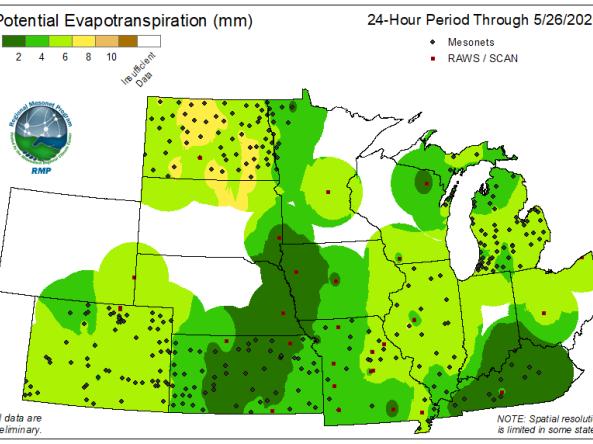
he Regional Mesonets And Partners Project (RMP) produces Potential Evapotranspiration (PET) maps at 24-hour and 7-day intervals for the Midwest region.

Subscribe to Precipitation