
Drought is one of the costliest and deadliest climate-related disasters in the United States, necessitating public health engagement at a national level. Although drought is not typically thought of as a health hazard, the pathways to human health outcomes are prevalent and numerous. To better understand these pathways, and actions that could be taken to reduce health impacts associated with drought, NOAA’s National Integrated Drought Information System (NIDIS) supported the first comprehensive assessment of drought and health.

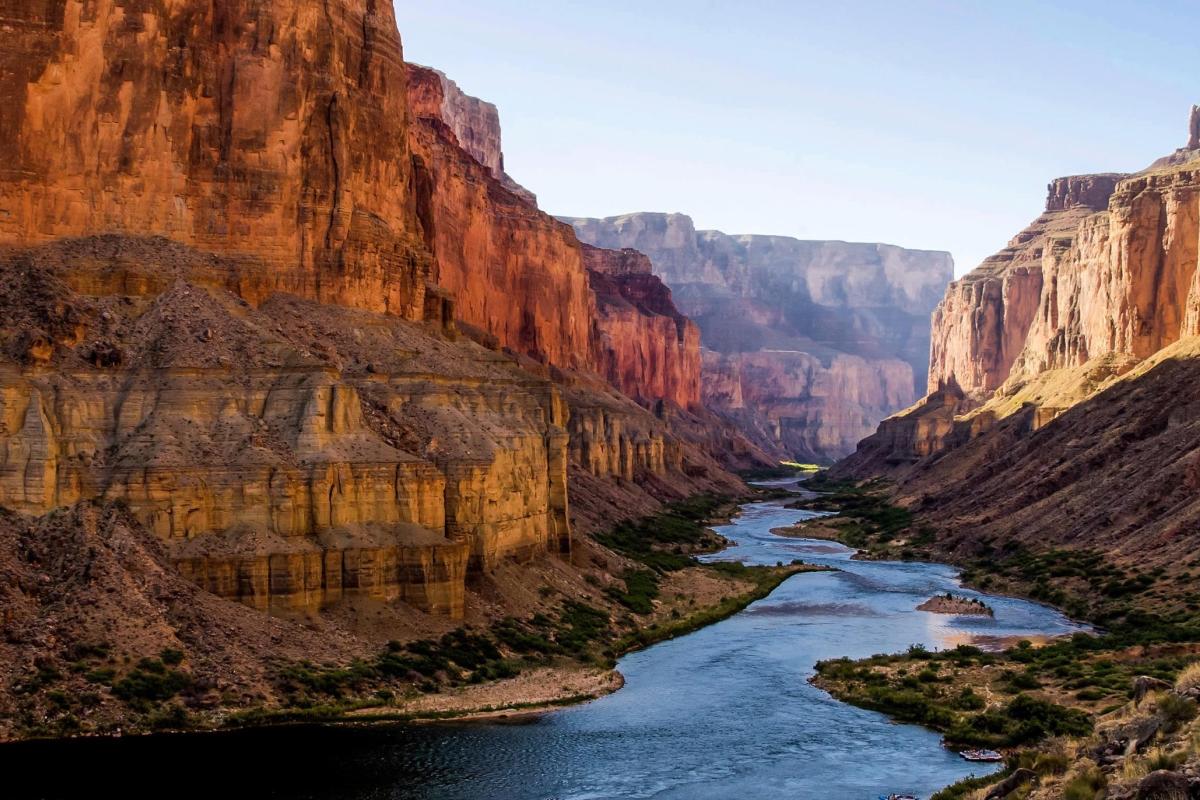

Quarterly Climate Impacts and Outlook for the Western Region for December 2022–February 2023. Dated March 2023.
Temperatures were below normal across nearly the entire West with the exception of parts of southeast New Mexico. A series of atmospheric rivers from late December through mid-January brought heavy precipitation to California, the Great Basin, and parts of the northern Rockies where total winter precipitation was record high in some instances.

The purpose of the 2022 Pacific Northwest Water Year Impacts Assessment is to summarize the water year conditions and sector impacts as a resource for future management of drought and other climate extremes.

On October 19–20, 2022, the National Integrated Drought Information System (NIDIS) and the University of Nebraska Medical Center co-led the Pacific Northwest Drought and Human Health Workshop in Portland, Oregon. The workshop was intended to identify gaps and needs, opportunities for collaboration, and ways to integrate the health sector and existing drought activities.