An official website of the United States government
Here’s how you know
The .gov means it’s official.
Federal government websites often end in .gov or .mil. Before sharing sensitive information, make sure you’re on a federal government site.
The site is secure.
The
https://
ensures that you are connecting to the official website and that any information you provide is encrypted and transmitted securely.

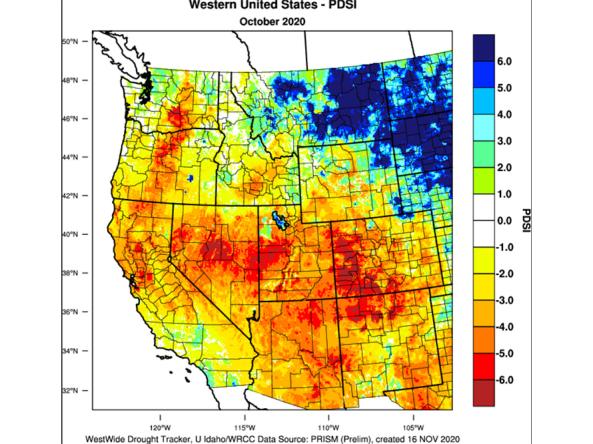
This website provides access to drought indices that are used by the Montana Governor’s Drought and Water Supply Advisory Committee (Monitoring Sub-Committee), though it covers the whole Upper Missouri River Basin, not just Montana.
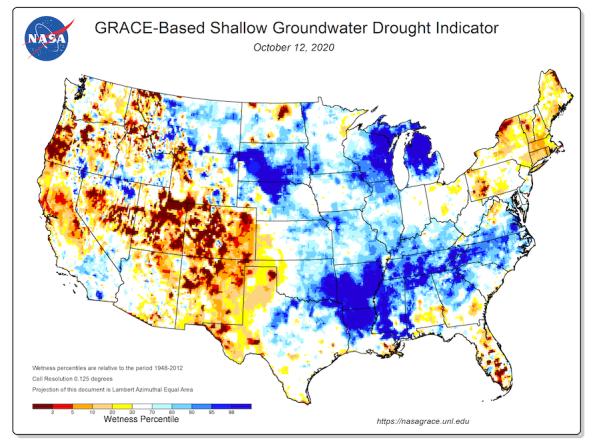
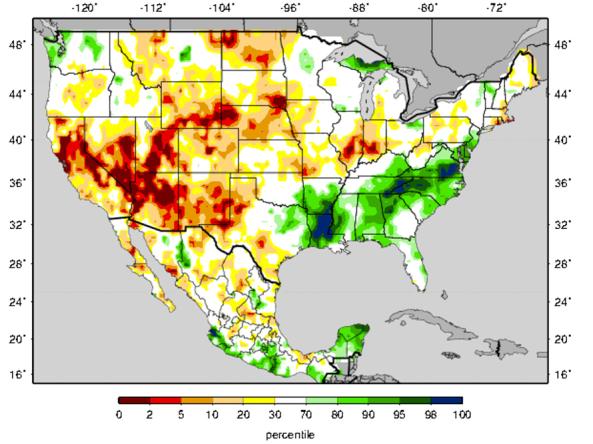
Groundwater and soil moisture drought indicators based on terrestrial water storage observations derived from GRACE satellite data and integrated with other observations, produced each week by NASA.
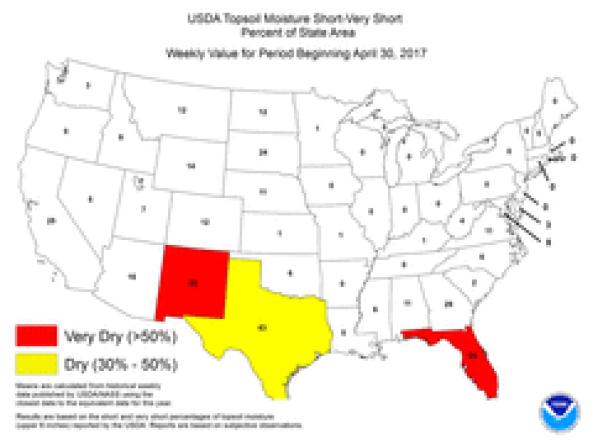
The National Weather Service Climate Prediction Center produces Topsoil Moisture Monitoring maps based on United States Department of Agriculture (USDA) state reports of topsoil moisture conditions.
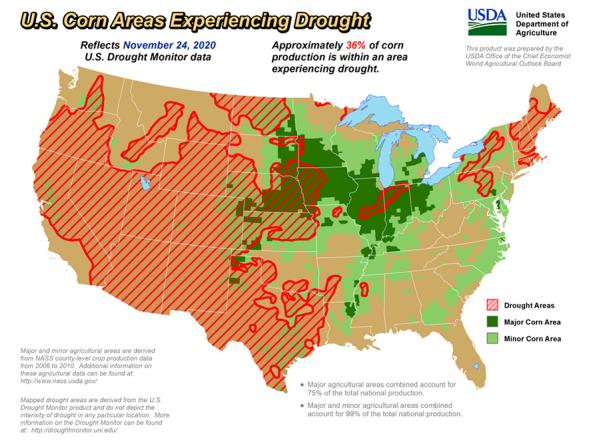
The U.S. Department of Agriculture produces weekly maps and charts displaying locations and percentages of drought-affected areas corn, soybeans, hay, cattle, and winter wheat.
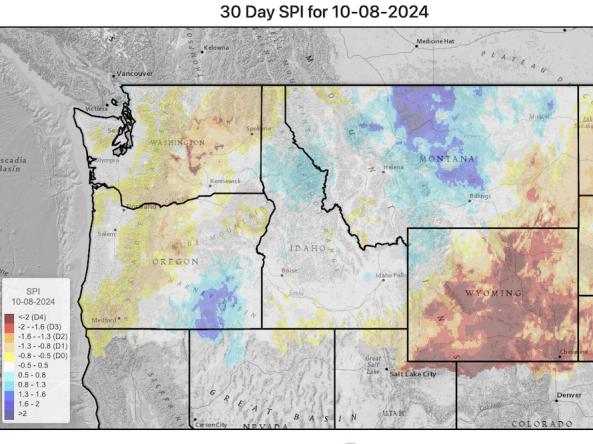
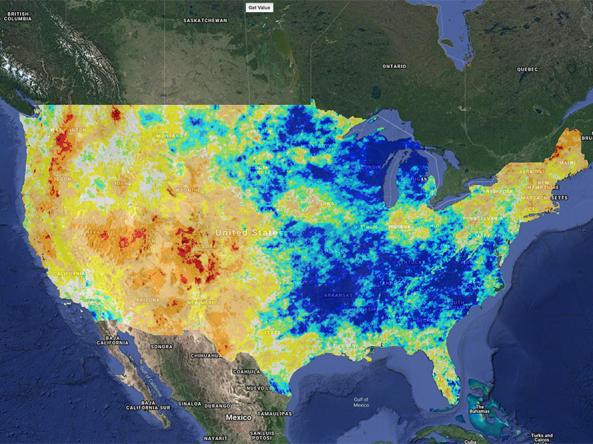
Climate Engine allows users to analyze and interact with climate and earth observations for decision support related to drought, water use, agricultural, wildfire, and ecology.
Data Coverage
Global
Period of Record
Current Conditions, Historical data (period of record varies)
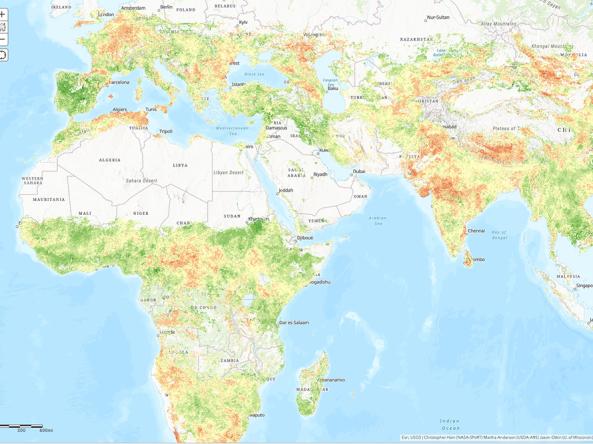
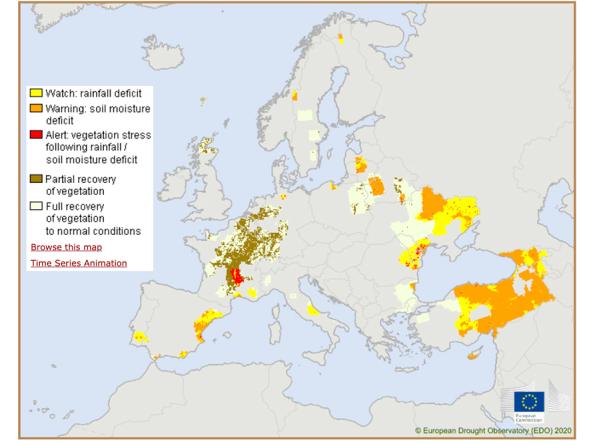
The CDI is derived by combining Standardized Precipitation Index (SPI), the Soil Moisture Anomaly (SMA), and the FAPAR Anomaly, and is used for detecting and monitoring areas that either are affected or have the potential to be affected by agricultural drought.
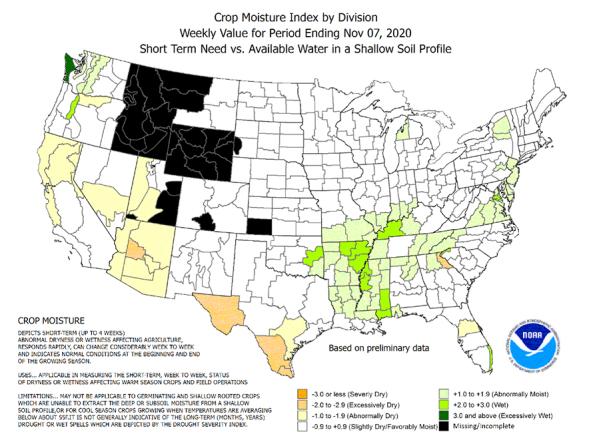
The CMI is an index of the relative dryness or wetness affecting water sensitive economies. It provides the short-term or current status of purely agricultural drought or moisture surplus.