U.S. flag

An official website of the United States government

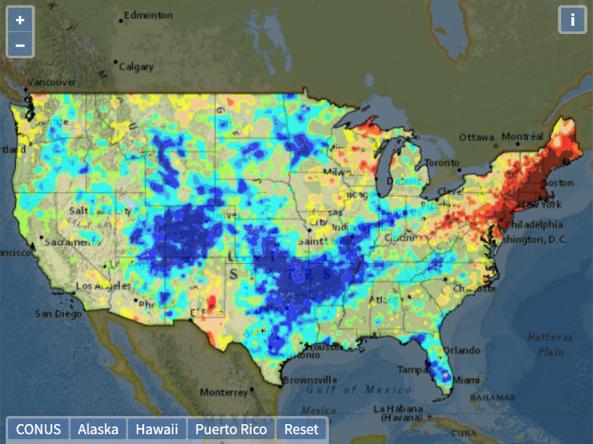
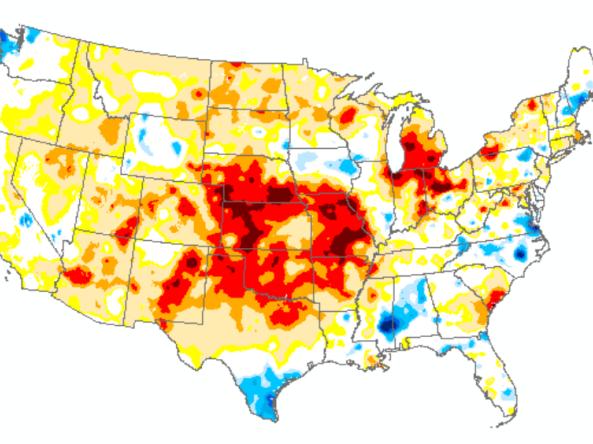
The US Gridded Standardized Precipitation Index (SPI) is derived from the nClimGrid-Monthly dataset and includes timescales of 1, 2, 3, 6, 9, 12, 24, 36, 48, 60 and 72 months.

ERA5 is the fifth generation ECMWF atmospheric reanalysis of the global climate covering the period from January 1940 to present. ERA5 is produced by the Copernicus Climate Change Service (C3S) at ECMWF.

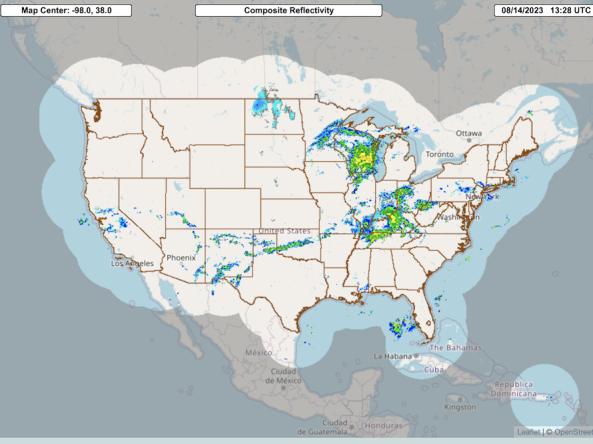
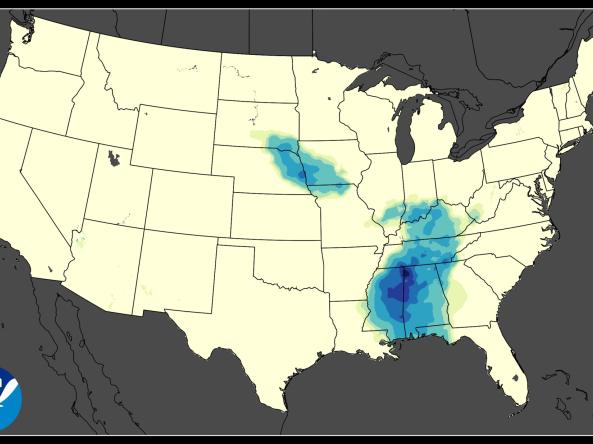
The Multi-Radar Multi-Sensor System combines data streams from multiple radars, satellites, surface observations, upper air observations, lightning reports, rain gauges, and numerical weather prediction models to produce a suite of decision-support products every two minutes.

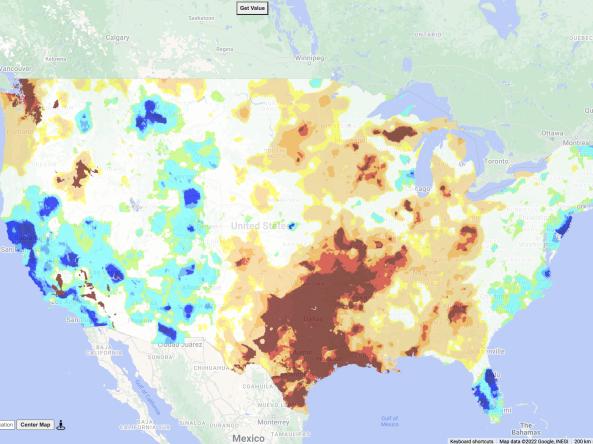
The US Gridded Standardized Precipitation Index (SPI) is derived from the nClimGrid-Daily dataset and and includes timescales of 1, 2, and 3 weeks, as well as 1, 2, 3, 4, 6, 9, and 12 months.

nClimGrid-Daily is a gridded dataset that includes area averages of daily maximum, minimum, and average temperatures and daily precipitation amounts for the contiguous United States from January 1, 1951 to the present.

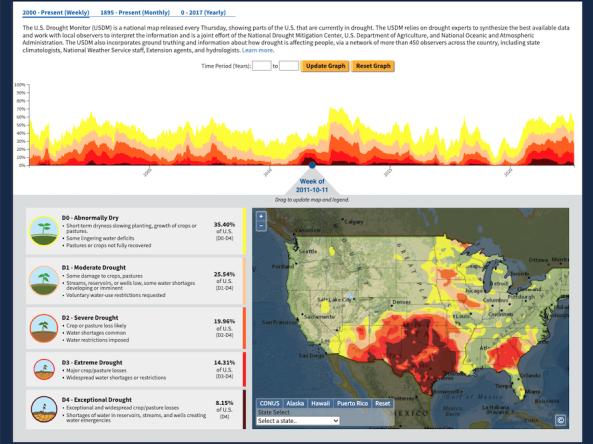
 The U.S. Drought Portal's Historical Data & Conditions Tool displays three historical drought datasets side by side on an interactive time series graph and map: U.S. Drought Monitor (2000 - Present), Standardized Precipitation Index (1895 - Present), and Palmer Modified Drought Index (0 BCE - 2017). These data are available for download in CSV, XML, and JSON format.

The United States Gridded Standardized Precipitation Evapotranspiration Index (SPEI) is derived from the nClimGrid-Monthly dataset and includes timescales of 1, 2, 3, 6, 9, 12, 24, 36, 48, 60 and 72 months.  The nClimGrid-monthly dataset is a gridded dataset derived from spatially interpolating data from the Global Historical Climatology Network (GHCN), starting in 1895.

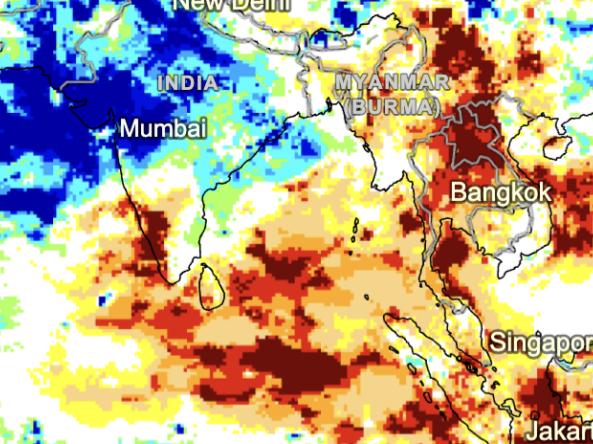
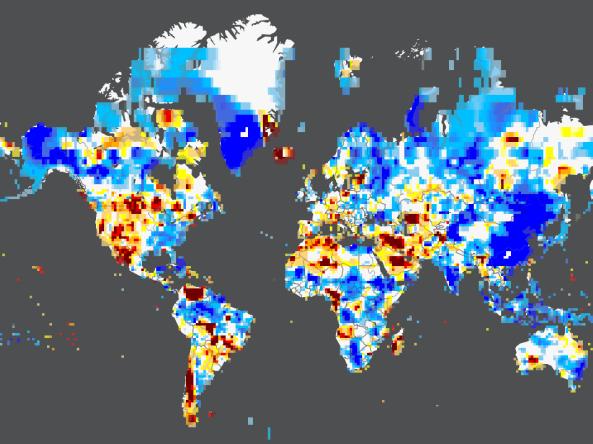
This Standardized Precipitation Index (SPI) is derived from the Global Precipitation Climatology Centre's gridded monthly precipitation dataset.

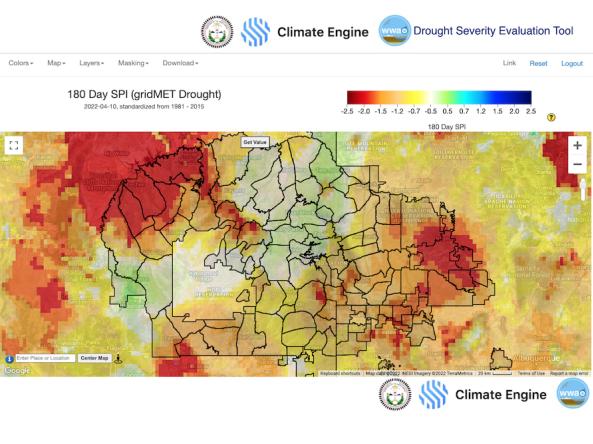
The Navajo Nation Drought Severity Evaluation Tool (DSET) is a co-developed cloud-based web application designed to meet the needs of water resource managers from the Navajo Nation, improving drought reporting and management.

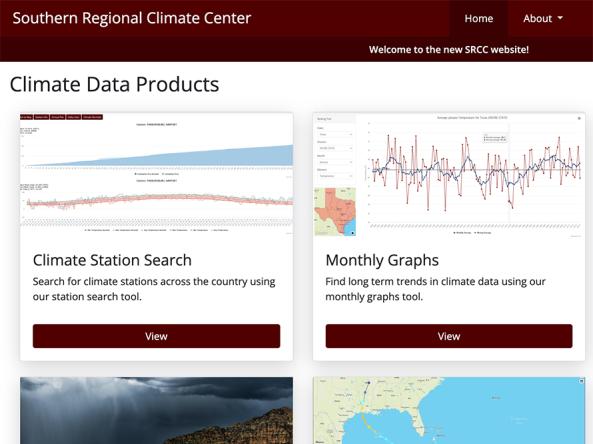
The Southern Regional Climate Center Dashboard provides climate data products for the Southern U.S., including Arkansas, Louisiana, Mississippi, Oklahoma, Tennessee, and Texas.

Subscribe to Land-based Station